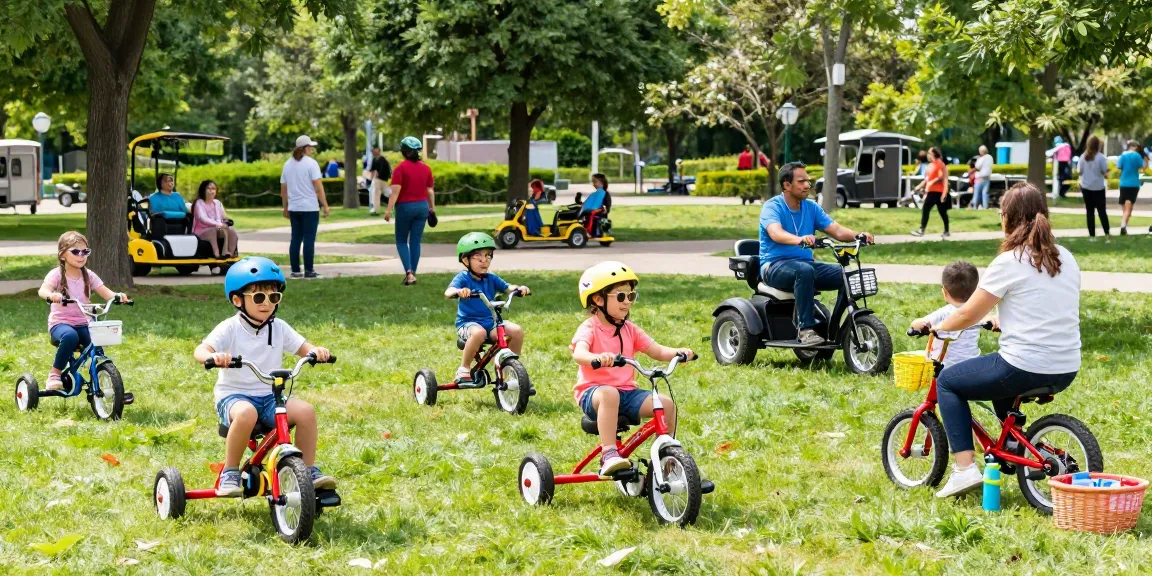
The Importance of Tricycles in Modern Transport
As urban landscapes evolve and the need for sustainable transportation increases, tricycles are becoming an integral part of modern transit solutions. No longer seen merely as child's play, tricycles—especially those designed for adults and families—have gained traction as a viable alternative to cars and traditional bicycles. With their stability, improved safety features, and ability to accommodate various uses, tricycles offer a unique blend of practicality and enjoyment for riders of all ages.
Why Tricycles are Gaining Popularity?
The rise in popularity of tricycles can be attributed to several factors. Firstly, as city traffic congestion grows, many individuals seek efficient and hassle-free modes of travel. Tricycles provide a solution with their compact design, allowing for easier navigation through crowded streets. Additionally, the recent trend towards environmentally friendly transportation has made tricycles, especially electric ones, an appealing choice for environmentally conscious consumers.
Moreover, adult and electric tricycles cater to a range of demographics. Older adults, for instance, can benefit from the stability and ease of riding offered by three wheels, while electric models provide assistance for those who may have mobility challenges. This versatility makes tricycles accessible to a wider audience, thus driving their popularity.
Tricycles as Eco-Friendly Alternatives
Tricycles present a greener alternative to fossil fuel-powered vehicles, particularly electric models that operate on batteries rather than petrol. By reducing carbon emissions and encouraging low-impact commuting, tricycles contribute to cleaner urban air quality and sustainable living practices. Furthermore, many electric tricycles are designed to be energy-efficient, allowing riders to cover more distance while consuming less energy.
In light of global climate challenges, the push for sustainable transport options will likely continue to shape the tricycle market. The inevitable rise of electric tricycles, which harness renewable energy sources and lessen dependence on traditional fuels, highlights the potential tricycles have in fostering a more eco-conscious society.
User Needs and Pain Points Addressed by Tricycles
Tricycles fulfill various user needs and address common pain points associated with other forms of transport. One primary concern is safety. Tricycles, with their three-wheel configuration, offer enhanced stability, significantly reducing the risk of accidents compared to traditional two-wheeled bicycles. This feature is particularly advantageous for older adults or those with balance issues.
Another key factor is comfort. Adult tricycles often come equipped with ergonomic designs, adjustable seats, and ample storage options, providing a more pleasant riding experience. For families, tricycles can serve as a practical tool for transporting children, groceries, or recreational gear without the hassle of a car.
Types of Tricycles: Understanding Your Options
Adult Tricycles: Features and Benefits
Adult tricycles are designed with comfort and stability in mind. With features such as oversized seats, wide handlebars, and suspension systems, they cater to riders who value a smooth ride. Many models, such as the Scout Adult Folding Tricycle, include adjustable components that allow users to customize the fit to their preferences.
These tricycles are typically available in different sizes, accommodating a range of heights and weights, thus providing inclusive options for a diverse group of riders. Furthermore, many adult tricycles are equipped with advanced safety features, such as front and rear lights, hand brakes, and reflectors, enhancing rider visibility during nighttime travel.
Electric Tricycles: Technology and Performance
Electric tricycles represent the cutting edge of personal transport technology. Powered by a 250W motor and equipped with a 14Ah battery, electric models are particularly appealing for commuters navigating hilly terrains. Riders can choose between electric-assist modes that cater to their riding style, whether they prefer assistance for steep climbs or a more traditional cycling experience.
Moreover, electric tricycles often feature advanced technologies such as LCD displays that provide real-time data on speed, battery life, and distance traveled. With a robust power supply, many electric tricycles can cover substantial distances, making them perfect for longer commutes or leisure rides.
Kids Tricycles: Safety and Comfort Features
When it comes to kids tricycles, safety is paramount. Models designed for younger riders often include additional safety features such as wider bases for stability, secure seating, and often come in vibrant colors to attract children's attention. The Scout 16” Kids Tricycle, for instance, is designed with a single-speed transmission that makes it easy for younger riders to navigate without complex gear systems.
Furthermore, many kids tricycles offer customizable options with accessories like baskets or storage compartments, allowing children to bring along their toys or snacks on their adventures. By fostering a sense of independence and joy, kids tricycles encourage outdoor play and physical activity from a young age.
Choosing the Right Tricycle for Your Lifestyle
Factors to Consider When Purchasing a Tricycle
When selecting the perfect tricycle, several factors should be taken into account. First, consider the intended use. Are you looking for a recreational vehicle for leisurely rides in the park, or is the tricycle meant for commuting to work? Each use case may require different specifications, such as speed, comfort, and storage capacity.
Another important aspect is the tricycle's fit. Ensuring that the frame size, seat height, and handlebars are adjustable can make a significant difference in the overall riding experience. Riders should also assess their level of experience and comfort with the specific type of tricycle they are considering—whether it's a standard, folding, or electric model.
Assessing Your Riding Environment
Your riding environment plays a crucial role in choosing the right tricycle. If you live in a hilly area, an electric tricycle may be more beneficial. Conversely, if you plan to ride mostly on flat terrains or bike paths, an adult tricycle with a simple gear system could suffice. Additionally, consider the availability of bike lanes and safe routes in your area, as these can enhance your riding experience significantly.
Accessories and Customization Options for Tricycles
Many tricycles come with a range of accessories to enrich their functionality and comfort. From baskets and storage bags to safety gear and lighting systems, customization can make your tricycle uniquely suited to your needs. Consider accessories that not only enhance your riding experience but also improve safety, such as reflective vests or lights for visibility at night.
Moreover, some manufacturers offer customization options for color and design, allowing riders to personalize their tricycles and express their individual style.
Maintaining Your Tricycle: Best Practices
Routine Maintenance for Longevity
Maintaining your tricycle properly is essential for ensuring its longevity and performance. Regular maintenance tasks such as cleaning the frame, checking tire pressure, and lubricating the chain can prevent mechanical issues and enhance the riding experience. It's also advisable to inspect brakes for functionality periodically, especially before longer rides.
For electric models, checking the battery health and ensuring connections are clean can extend the battery's lifespan. A well-maintained tricycle will not only perform better but also retain its value over time.
Common Issues and Troubleshooting Tips
Despite regular maintenance, tricycles may still encounter some common issues. Flat tires are among the most frequent problems. Riders should know how to repair or replace a tire and carry a basic repair kit while on rides. Additionally, brakes may require adjustment over time, and it's crucial to recognize when they may not be functioning correctly.
Another frequent concern for electric tricycles is battery life. Users should familiarize themselves with the signs of a failing battery and know how to troubleshoot common electrical issues, such as connection problems or software resets.
Storing Your Tricycle: Tips for Different Environments
Proper storage is vital for maintaining the condition of your tricycle. If possible, store your tricycle indoors to protect it from the elements. For those with limited indoor space, consider using a protective cover if storing outside. Furthermore, when storing electric tricycles, remember to remove the battery and keep it in a cool, dry place to extend its lifespan.
For those who frequently travel with their tricycles, investing in a sturdy rack or carrying case can facilitate easier transport and help keep the tricycle in top condition.
Future Trends in the Tricycle Industry
Emerging Technologies to Watch in 2026
The tricycle industry is poised for exciting advancements in technology by 2026. Innovations like integrated GPS systems for navigation, enhanced battery technology for longer ranges, and smart features that connect to mobile apps to track rides will likely transform the user experience. These advancements will not only boost functionality but also foster a sense of community among riders.
Sustainability Trends Impacting Tricycle Production
Future trends indicate a stronger emphasis on sustainability in tricycle production. More manufacturers are likely to adopt eco-friendly materials and processes, further reducing the carbon footprint associated with manufacturing. By focusing on recyclability and using sustainable resources, the industry can align better with global sustainability goals.
Predictions for Tricycle Usage in Urban Settings
As cities continue to grapple with congestion and pollution, the role of tricycles in urban transport is expected to evolve significantly. Urban planners may prioritize bike lanes, making tricycles an integral part of smart city designs. Moreover, partnerships between municipalities and tricycle brands could lead to shared resources, encouraging more individuals to opt for tricycles over cars.
What Are the Health Benefits of Riding Tricycles?
Riding tricycles not only offers a practical mode of transportation but also contributes significantly to physical health. Regular cycling can improve cardiovascular fitness, enhance muscle strength, and promote mental well-being. For those who may find traditional bicycles challenging, tricycles offer a low-impact alternative that is easier on the joints while still delivering excellent health benefits.
How Can Tricycles Enhance Community Engagement?
Tricycles can serve as a catalyst for community engagement. Group rides, local events, and social gatherings can foster connections among riders. Community-based initiatives, such as tricycle cooperatives or shared rides, can enhance local interaction and help build a sense of camaraderie among residents.
In conclusion, tricycles are more than just a fun alternative to bicycles; they are becoming an essential part of a holistic approach to personal transportation that promotes safety, sustainability, and community engagement. With continued advancements and a growing user base, the future of tricycles looks promising and full of potential.