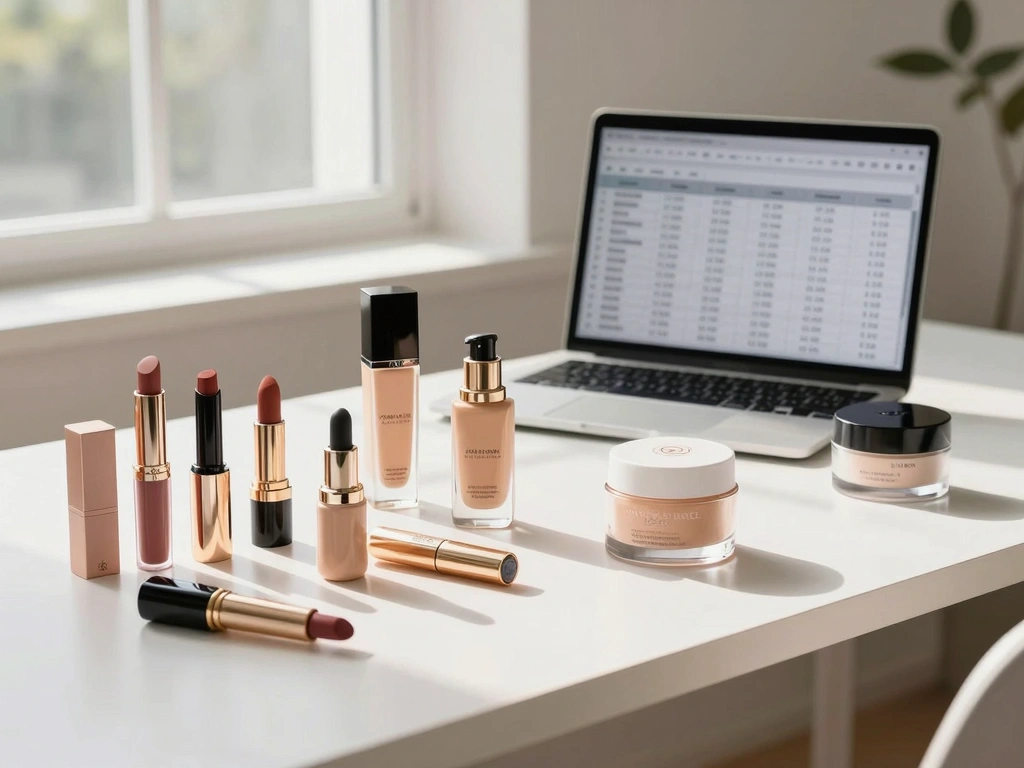
Understanding Initial Setup Costs for Private Label Cosmetics
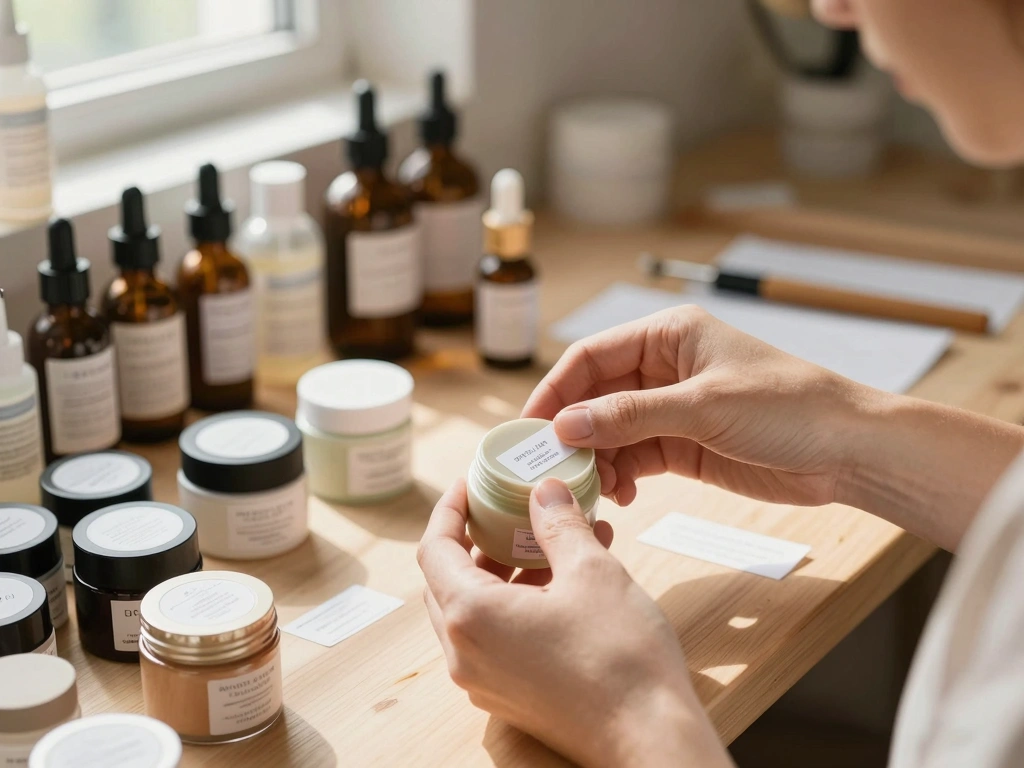
Starting a private label cosmetics business can be an exciting venture, but it comes with its own set of costs that can significantly impact your budget. Understanding these initial setup costs is crucial for your financial planning. Below, we break down the major categories of expenses you can expect when launching your private label cosmetics brand.
Business Registration and Licensing Fees
One of the first steps in establishing your private label cosmetics business is to ensure that you are legally compliant. This includes registering your business and obtaining the necessary licenses. - **Business Registration**: Depending on your location, registering your business name can cost anywhere from $50 to $500. This might include fees for a sole proprietorship, LLC, or corporation. - **Licensing**: Cosmetics are subject to specific regulations, and you may need to apply for various licenses. For example, in the U.S., you might need a manufacturer’s license or a seller’s permit, which can cost between $100 and $200. - **Insurance**: Consider obtaining liability insurance to protect your business against potential lawsuits or claims. Basic coverage can range from $500 to $1,500 annually. Overall, expect to allocate approximately **$1,000 to $3,000** for business registration and licensing fees.
Market Research and Business Plan Development
Investing in thorough market research and a solid business plan is essential for the success of your private label cosmetics startup. - **Market Research**: Hiring a market research firm can cost between $1,000 and $5,000, depending on the depth of research required. Alternatively, conducting surveys and competitive analysis on your own can be done for under $500. - **Business Plan**: A well-structured business plan can either be created independently or with the help of a consultant. Hiring a business consultant may cost between $1,500 and $3,000, while DIY methods can keep costs under $500. In total, budgeting around **$1,500 to $8,000** for market research and business plan development is advisable.
Branding and Design Expenses
Creating a unique and appealing brand is vital in the cosmetics industry. - **Logo Design**: Professional logo design services can range from $300 to $2,500, depending on the designer’s experience and the complexity of your brand identity. - **Packaging Design**: Custom packaging is essential for cosmetics and can cost between $500 and $5,000. The investment in high-quality design helps create a better first impression for your customers. - **Brand Strategy**: If you choose to hire a branding agency for a comprehensive brand strategy, expect to pay between $5,000 and $20,000. In summary, allocate between **$1,000 and $30,000** for branding and design expenses.
Manufacturing and Production Costs Breakdown
Once your brand is established, the next significant phase involves manufacturing your products. This section outlines the costs associated with production.
Ingredient Sourcing and Quality Considerations
The quality of your cosmetic products heavily depends on the ingredients used. - **Ingredient Costs**: Depending on the types of cosmetics you plan to create (e.g., skincare, makeup), ingredient costs can vary widely. For instance, high-quality oils can range from $10 to $50 per kilogram, while synthetic ingredients might cost between $5 and $20 per kilogram. - **Supplier Relationships**: Building relationships with reputable suppliers may require an upfront investment in samples and testing, ranging from $500 to $2,000. Overall, budget approximately **$1,500 to $10,000** for ingredient sourcing.
Packaging Design and Materials
Good packaging not only protects your product but also serves as a marketing tool. - **Material Costs**: Packaging materials for cosmetics can range from $0.25 to $5 per unit, depending on material quality and design complexity. - **Custom Packaging**: If you opt for custom packaging designs, be prepared for an additional investment of $1,000 to $5,000 for molds and setup fees. In total, consider setting aside **$2,000 to $15,000** for packaging design and materials.
Minimum Order Quantities and Pricing Models
Manufacturers often have minimum order quantities (MOQs) that can significantly impact your initial investment. - **MOQs**: Many manufacturers require MOQs of 500 to 2,000 units, which can translate into an initial investment of $3,000 to $20,000, depending on the product type and complexity. - **Pricing Models**: Understanding pricing models can help you negotiate better terms. For instance, purchasing larger quantities typically lowers the cost per unit. Thus, allocate around **$5,000 to $25,000** for manufacturing and production costs.
Marketing and Launch Expenses for Private Label Cosmetics
Once your products are ready, effective marketing strategies are crucial to ensure a successful launch.
Digital Marketing Strategies and Budgeting
Digital marketing is a key component in promoting your private label cosmetics brand. - **Social Media Advertising**: Platforms like Instagram and Facebook allow targeted ads, with costs ranging from $0.50 to $2.00 per click, leading to a potential budget of **$500 to $5,000** for initial campaigns. - **Content Marketing**: Creating engaging content can cost between $300 and $1,500, depending on whether you hire freelancers or agencies. In total, consider budgeting around **$1,000 to $10,000** for digital marketing strategies.
Influencer Partnerships and Promotions
Collaborating with influencers can help jumpstart your brand's visibility. - **Partnership Costs**: Depending on the influencer's reach, costs can vary greatly. Micro-influencers might charge between $100 and $1,000, while well-known influencers can demand $10,000 or more for a single post. Overall, set aside approximately **$2,000 to $15,000** for influencer partnerships and promotions.
Website Development and E-commerce Setup
A professional and user-friendly website is crucial for online sales. - **Website Development**: Depending on the complexity of your site, costs can range from $1,000 for a basic site to $10,000 for a more comprehensive e-commerce platform. - **E-commerce Solutions**: Monthly fees for platforms like Shopify or WooCommerce can range from $29 to $299, plus transaction fees. Budget around **$2,000 to $12,000** for website development and e-commerce setup.
Ongoing Operational Costs for Sustaining the Business
Once your private label cosmetics business is up and running, you need to consider ongoing operational costs.
Inventory Management and Storage Solutions
Proper inventory management is vital for efficiency. - **Warehousing Costs**: Renting space for inventory can cost between $500 and $2,000 per month, depending on location and space requirements. - **Inventory Software**: Tools for managing stock can range from $20 to $500 monthly, depending on the complexity of your needs. Prepare for ongoing costs of **$1,000 to $5,000** per month for inventory management and storage.
Shipping and Fulfillment Expenses
Shipping costs can eat into your profits if not managed correctly. - **Shipping Costs**: Depending on the size and weight of your products, shipping costs can range from $3 to $15 per order. If you fulfill 100 orders a month, that could amount to **$300 to $1,500**. - **Fulfillment Services**: If you choose to outsource fulfillment, expect to pay between $2 to $5 per order, which can add up quickly. Budget around **$500 to $2,000** per month for shipping and fulfillment expenses.
Customer Service and Support Costs
Excellent customer service can enhance brand loyalty. - **Support Staffing**: Hiring customer service representatives can cost between $15,000 and $40,000 annually per employee. - **Customer Relationship Management (CRM) Tools**: Subscription costs for CRM software can range from $20 to $300 monthly. Allocate approximately **$500 to $3,000** per month for customer service and support.
Financial Projections and Profitability Analysis
To ensure long-term success, you need to develop financial projections and analyze your profitability.
Setting Pricing Strategies for Your Products
Pricing your products correctly is essential for profitability. - **Cost-Plus Pricing**: Calculate the total cost per product (including production and operational costs) and add a markup. For example, if your total cost is $10, a 50% markup would set the price at $15. - **Competitive Pricing**: Research competitors to ensure your pricing is competitive while still covering costs. Aim for a price range that allows for a **30% to 50% profit margin**.
Estimating Break-even Points and ROI
Understanding when your business will become profitable is crucial. - **Break-even Analysis**: Calculate your fixed and variable costs to determine how many units you need to sell to cover expenses. For example, if your fixed costs are $10,000 and your profit per unit is $5, you would need to sell 2,000 units to break even. - **Return on Investment (ROI)**: Track your investments and profits to determine the effectiveness of your strategies. A positive ROI indicates that your business is on the right track.
Tracking Expenses and Revenue Growth
Regularly monitoring your expenses and revenue growth is key to sustainability. - **Financial Tracking Tools**: Invest in accounting software like QuickBooks or Xero, which can cost between $20 and $70 per month. - **Regular Reporting**: Develop a routine for reviewing your financial performance to identify trends and areas for improvement. In conclusion, maintaining a financial overview can help you make informed decisions and adjust strategies as necessary.
Conclusion
Starting a private label cosmetics business involves numerous costs, from initial setup to ongoing operational expenses. By understanding and planning for these costs, you can create a more realistic budget and increase your chances of success. With thorough research, effective marketing strategies, and diligent financial tracking, your private label cosmetics startup can thrive in a competitive market.