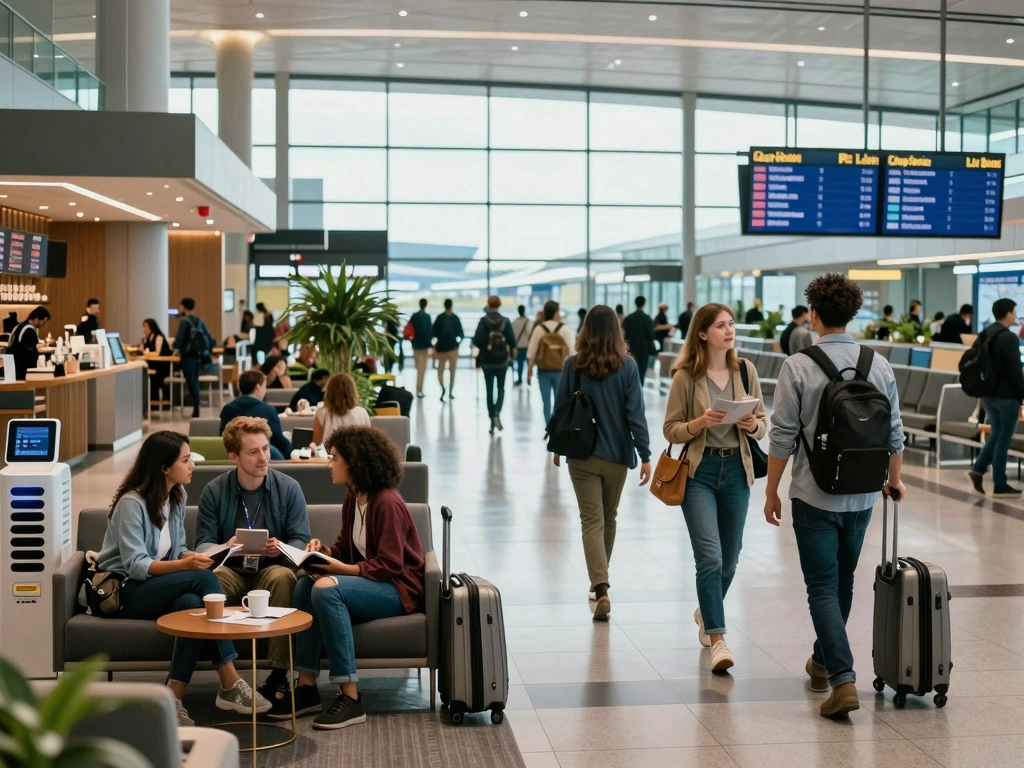
Accessibility and Transportation Options at Major Layover Airports
Public Transport Availability
Public transport is a critical factor for travelers looking to make the most of their layovers. Major layover-friendly airports such as Singapore Changi Airport (SIN), Heathrow Airport (LHR), and Tokyo Haneda Airport (HND) offer robust public transport systems that connect passengers to the city and surrounding areas.
For instance, Changi Airport boasts the Mass Rapid Transit (MRT) system, providing a swift 30-minute journey to downtown Singapore. Heathrow is serviced by the Heathrow Express and the London Underground, allowing seamless access to central London in about 15-20 minutes. Similarly, Haneda Airport features a direct connection to Tokyo via the Tokyo Monorail and Keikyu Line, taking approximately 20 minutes.
Airport Shuttle Services
Shuttle services are another convenient option available at several major airports. Airports like Los Angeles International Airport (LAX) and Dallas/Fort Worth International Airport (DFW) provide dedicated shuttles that facilitate travel to nearby hotels and transit hubs.
The LAX FlyAway Bus offers direct routes to various locations throughout Los Angeles, which is particularly beneficial for passengers with longer layovers. DFW provides a similar service, with shuttle buses running to various local hotels and transit centers, enhancing accessibility for travelers.
Taxi and Rideshare Options
Taxi and rideshare services such as Uber and Lyft are universally available at major layover airports, providing flexibility and convenience. For example, at John F. Kennedy International Airport (JFK), taxis are readily available and typically cost around $70 to Manhattan, depending on traffic. Rideshare services also offer competitive pricing and faster pickup times, appealing to travelers in a hurry.
Airports like Dubai International Airport (DXB) have dedicated taxi ranks with a transparent pricing system that ensures travelers are not overcharged. This combination of taxis and rideshare options makes layover transit easier and more comfortable for passengers.
Airport Amenities Enhancing Layover Experiences
Lounge Access and Comfort
Airport lounges play a significant role in enhancing the layover experience. Airports such as Singapore Changi and Hong Kong International Airport (HKG) offer multiple lounges with varying access levels, from first-class lounges to pay-per-use options.
Changi Airport's Plaza Premium Lounge provides comfortable seating, shower facilities, and a buffet, making it an attractive option for passengers looking to relax. In contrast, HKG boasts the Cathay Pacific Lounge, which features stunning views, sleep pods, and a range of dining options that elevate the layover experience.
Dining and Shopping Choices
The quality and variety of dining and shopping options can significantly affect a passenger's layover experience. Airports like Munich Airport (MUC) and Amsterdam Schiphol Airport (AMS) excel in this area, offering numerous restaurants and shops that cater to diverse tastes.
At Munich Airport, travelers can enjoy authentic Bavarian cuisine at Airbräu, a brewery located in the terminal. Meanwhile, Amsterdam Schiphol boasts a wide array of dining options, from traditional Dutch dishes to international cuisine, alongside shops selling local souvenirs and luxury goods.
Resting Areas and Sleeping Pods
For longer layovers, access to resting areas and sleeping pods can greatly enhance comfort. Airports such as Hamad International Airport (DOH) and San Francisco International Airport (SFO) feature designated rest zones and sleeping facilities.
Hamad International Airport provides sleeping pods equipped with privacy screens and comfortable bedding, allowing travelers to recharge during extended layovers. Similarly, SFO has a Yoga Room and relaxation areas designed to help passengers unwind and destress.
Duration of Layover and Connection Efficiency
Minimum Connection Time Guidelines
Understanding minimum connection time (MCT) guidelines is essential for travelers planning layovers. MCTs vary by airport and can range from 30 minutes to 2 hours, depending on factors such as domestic versus international flights and terminal transfers.
For instance, at Toronto Pearson International Airport (YYZ), the MCT for international to domestic connections is 60 minutes, while at Los Angeles International Airport (LAX), the MCT can be as short as 45 minutes for the same type of transfer, reflecting the airport’s efficient layout and transit options.
Average Layover Durations
The average layover duration can vary significantly by airport and route. Airports like Dubai International Airport (DXB) and Singapore Changi Airport (SIN) frequently see longer layover times due to their status as major international hubs.
Dubai International often experiences average layovers of 2-3 hours, allowing travelers ample time to explore its amenities and services. In contrast, Changi Airport reports average layovers of around 2 hours, with many passengers choosing to take advantage of the city tours offered during longer waits.
Efficiency of Security and Immigration Processes
The efficiency of security and immigration processes is crucial for minimizing layover stress. Airports such as Singapore Changi and Hong Kong International Airport are renowned for their streamlined procedures, which allow travelers to move quickly through security checks and immigration.
Changi Airport employs advanced technology, including biometric screening, to expedite passenger processing times. Conversely, airports like O'Hare International Airport (ORD) have faced criticism for lengthy security lines, particularly during peak travel times, which can lead to missed connections.
Impact of Airport Layout on Transit Experience
Terminal Design and Navigation
The design and layout of an airport can significantly impact a traveler’s layover experience. Airports like Singapore Changi and Incheon International Airport (ICN) are designed with efficiency and passenger comfort in mind.
Changi Airport’s terminals are interconnected and easy to navigate, featuring clear signage and numerous amenities throughout. Incheon Airport employs a similar approach, with spacious terminals housing an array of services, including cultural exhibitions and relaxation areas, enhancing the overall transit experience.
Signage and Wayfinding Systems
Cohesive signage and wayfinding systems are vital for helping passengers navigate busy airports. Airports like Amsterdam Schiphol and Heathrow excel in providing clear and informative signs that guide travelers seamlessly from one area to another.
Schiphol’s intuitive design and multilingual signage help non-native speakers find their way, while Heathrow offers digital displays that provide real-time updates on flight information, ensuring that passengers can easily locate their gates and amenities.
Distance Between Gates and Terminals
The distance between gates and terminals can pose challenges for travelers during layovers. Airports such as Denver International Airport (DEN) and Los Angeles International Airport (LAX) have been criticized for their sprawling layouts, which can lead to long walks between connecting flights.
In contrast, airports like Singapore Changi and Tokyo Haneda feature compact designs that minimize travel time between gates, enhancing the overall transit experience for passengers. This is particularly beneficial for those with tight connections who need to move quickly between flights.
Traveler Reviews and Experiences with Layover Airports
Common Complaints and Praise
Traveler feedback can provide valuable insights into the strengths and weaknesses of layover airports. Common complaints often center around long security lines, inadequate seating, and limited food options, particularly at airports like Los Angeles International Airport (LAX) and Chicago O'Hare International Airport (ORD).
Conversely, airports like Singapore Changi receive praise for their extensive amenities, cleanliness, and ease of navigation, which significantly enhances the layover experience. Travelers often highlight the availability of showers, lounges, and entertainment options as key factors that make their transit enjoyable.
Comparative Ratings Across Airports
Comparative ratings from various travel websites and surveys can help determine which airports are most layover-friendly. For instance, Skytrax consistently ranks Singapore Changi Airport as one of the best airports globally, often scoring high in areas such as cleanliness, customer service, and amenities.
In contrast, airports like Heathrow and O'Hare tend to receive lower ratings due to factors such as congestion and limited seating areas, which can detract from the overall experience.
Influence of Reviews on Layover Choices
Traveler reviews significantly influence layover choices, as many passengers rely on feedback from others to make informed decisions. Reviews highlighting positive experiences at airports like Singapore Changi and Tokyo Haneda often encourage travelers to book flights with longer layovers at these locations, as they promise a more enjoyable and comfortable experience.
Conversely, negative reviews about long wait times or inadequate facilities at airports like Los Angeles International can lead travelers to seek alternative routes, prioritizing layover-friendly options.