Understanding the Manaslu Circuit Trek
The Manaslu Circuit Trek offers adventurers a captivating journey through the mesmerizing landscapes of Nepal, circling the world's eighth-highest peak, Mount Manaslu. This trek combines breathtaking natural beauty, rich Tibetan-influenced culture, and off-the-beaten-path experiences that cater to seasoned trekkers and adventure seekers alike. As you navigate the diverse terrain, you’ll encounter stunning views of snow-capped mountains, lush valleys, and ancient monasteries, alongside the warm hospitality of the local Gurung and Tibetan communities.
When exploring options, Manaslu Circuit provides comprehensive insights into the trek details, itinerary, and preparation tips, making it a valuable resource for those planning their adventure.
Overview of the Manaslu Circuit
Stretching approximately 177 kilometers (110 miles), the Manaslu Circuit Trek is renowned for its challenging routes, scenic vistas, and cultural experiences. The trek typically lasts around 15 days, including acclimatization stops to ensure trekkers adjust to the high altitudes effectively. Starting in the village of Machha Khola and concluding in Dharapani, the route takes you through lush forests, terraced fields, and ancient villages, ultimately leading you to the dramatic Larkya La Pass at 5,160 meters (16,929 feet). This significant pass is an exhilarating highlight of the trek, offering panoramic views of the surrounding peaks, including Manaslu itself.
Historical Significance and Cultural Insights
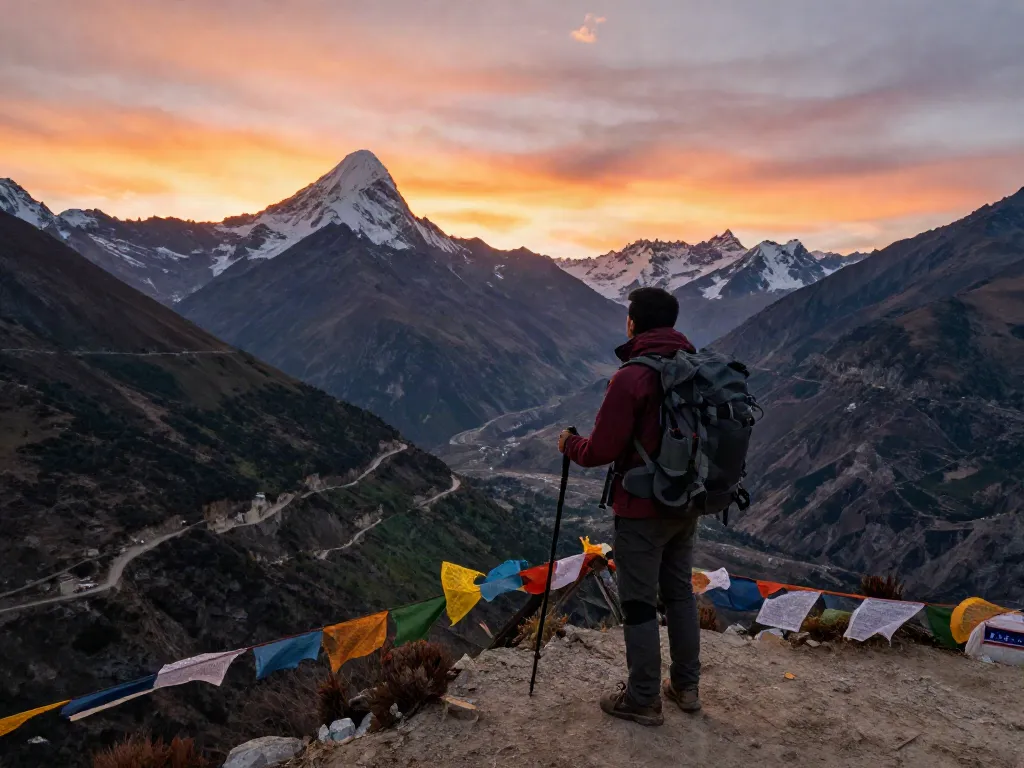
The Manaslu region is steeped in history, having long been a vital cultural crossroads between Nepal and Tibet. Ancient trade routes traversed these mountains, and many of the trekking paths still reflect this historic significance. Along the trek, you will notice the influence of Tibetan culture, particularly in the form of monasteries, prayer flags, and traditional stone houses. The combination of natural beauty and cultural richness makes this trek not just a physical challenge, but also a deeply enriching experience.
What Makes Manaslu Circuit Unique?
One of the most appealing aspects of the Manaslu Circuit is its remoteness. Unlike the more popular Annapurna or Everest regions, the Manaslu Circuit remains relatively less crowded, allowing trekkers to enjoy a more tranquil and authentic experience. The restricted area permit system helps maintain the natural beauty and cultural integrity of the region while keeping tourism manageable. Trekking here offers a unique opportunity to engage with local communities, explore lesser-known trails, and appreciate the untouched landscapes of the Himalayas.
Planning Your Manaslu Circuit Trek
Choosing the Right Trekking Dates in 2026
The best times to embark on the Manaslu Circuit Trek are during the spring (March to early June) and autumn (mid-September to November). These seasons provide stable weather conditions, clearer skies, and stunning mountain vistas. Spring offers the added benefit of blooming rhododendrons, while autumn presents spectacular views of snow-capped peaks. It is advisable to avoid the monsoon season (July to early September) due to heavy rainfall and potential landslides, which can make trekking hazardous.
Essential Gear and Packing List for Success
Proper preparation is crucial for a successful trek. Essentials include high-quality trekking boots, a durable backpack, layered clothing for varying temperatures, a sleeping bag rated for cold weather, and first-aid supplies. Additionally, trekking poles, water purification tablets, and high-energy snacks are recommended. Trekkers are encouraged to pack light while ensuring they have all necessary items to keep them comfortable and safe along the trail. Consider using a checklist to ensure all items are accounted for before departure.
Traveling to Kathmandu: Logistics and Tips
Kathmandu serves as the main hub for trekkers heading to Manaslu. The city is well-connected by international flights, and visitors can easily find accommodations in Thamel, a popular tourist area. Upon arrival, spend a few days acclimatizing to the altitude and exploring cultural sites, such as the historic Durbar Square and the Swayambhunath Stupa. It is also advisable to finalize trekking permits and meet with your guide to discuss the itinerary before heading to Machha Khola. Having a buffer of one or two extra days is wise in case of unforeseen travel delays.
Navigating the Itinerary: Daily Breakdown
Day-to-Day Activities and Highlights
The itinerary for the Manaslu Circuit Trek involves a blend of challenging hikes, cultural experiences, and acclimatization days. Trekkers typically cover an average of 15-20 kilometers each day, with varying elevations. Key highlights include the stunning views from Larkya La Pass, visits to serene monasteries, and the opportunity to interact with local communities. Daily itineraries should be flexible to accommodate the group's pace and acclimatization needs.
Acclimatization Strategies for Safety
Acclimatization is vital for preventing altitude sickness during the trek. Generally, trekkers should spend an extra day at key locations such as Samagaon to help the body adjust to the increasing elevation. During these acclimatization days, light walks to nearby sites like Birendra Lake or Manaslu Base Camp are recommended. Staying hydrated and maintaining a balanced diet rich in carbohydrates can also aid in acclimatization.
What to Expect on the Trail
Expect a diverse range of landscapes on the Manaslu Circuit, including lush forests, rocky trails, and striking mountain vistas. The route is often less populated than other trekking areas, which adds to the sense of adventure. Along the way, trekkers will encounter traditional teahouses, offering essential meals and accommodations. The hospitality of the local people enhances the trekking experience, providing insights into their way of life and culture.
Safety Measures and Health Concerns
Understanding Altitude Sickness Risks
Altitude sickness, or Acute Mountain Sickness (AMS), is a significant concern for trekkers in the Manaslu region due to the high elevations. Symptoms can include headaches, nausea, and fatigue, making it essential to recognize the early signs. Knowing when to descend to lower altitudes is crucial for safety. Trekkers should be prepared to slow their pace, stay hydrated, and report any symptoms to their guides immediately.
Tips for Staying Safe During the Trek
Safety during the trek can be enhanced by following a few vital tips. Always travel with a licensed guide, as they are trained to handle emergencies and navigate the terrain. Ensure that you have adequate travel insurance that covers high-altitude trekking and potential evacuation. Carry a personal first-aid kit, stay informed about weather conditions, and remain adaptable to changes in your itinerary due to unforeseen circumstances.
Emergency Protocols and Guide Support
Emergency protocols are well-established among trekking companies in the region. Guides are equipped with communication devices to call for help if the need arises. They also monitor the health of trekkers regularly, using tools like oxygen saturation monitors. In the event of altitude sickness or other emergencies, having a guide is invaluable as they can initiate safe evacuation procedures.
Frequently Asked Questions
How difficult is the Manaslu Circuit Trek?
The Manaslu Circuit Trek is considered moderately challenging, primarily due to its altitude and extensive trekking hours. Trekkers should ideally have some prior hiking experience and appropriate physical fitness. Daily treks can range between 5 to 8 hours, often involving steep ascents and descents. Proper training and preparation will enhance the trekking experience and increase the chances of a successful completion.
What permits are required for trekking in Manaslu?
To trek in the Manaslu region, trekkers must obtain several permits, including the Manaslu Restricted Area Permit (MRAP), the Manaslu Conservation Area Permit (MCAP), the Annapurna Conservation Area Permit (ACAP), and a TIMS (Trekkers’ Information Management System) card. These permits are crucial for maintaining responsible tourism and regulating the number of visitors in the region.
What is the climate like during the trek?
The climate on the Manaslu Circuit varies significantly with altitude and season. During the trekking seasons of spring and autumn, the weather is generally stable, with clear skies and moderate temperatures. Daytime temperatures can reach up to 20°C (68°F) while nights can drop below freezing at higher elevations. It is essential to pack appropriately for varying conditions.
How much does the Manaslu Circuit Trek cost?
The cost of the Manaslu Circuit Trek typically ranges from $1,500 to $2,500 per person, depending on the trekking company, time of year, and additional services included. This price generally covers permits, accommodations, meals during trekking days, guides, and transportation. Booking through a reputable company can ensure all aspects of the trek are accounted for.
Are solo trekkers allowed on the Manaslu Circuit?
Solo trekking on the Manaslu Circuit is not permitted. The Nepali government mandates that all trekkers must have a licensed guide, particularly in restricted areas such as this. Trekking with a guide not only ensures safety but also enriches the experience with local insights and cultural knowledge.