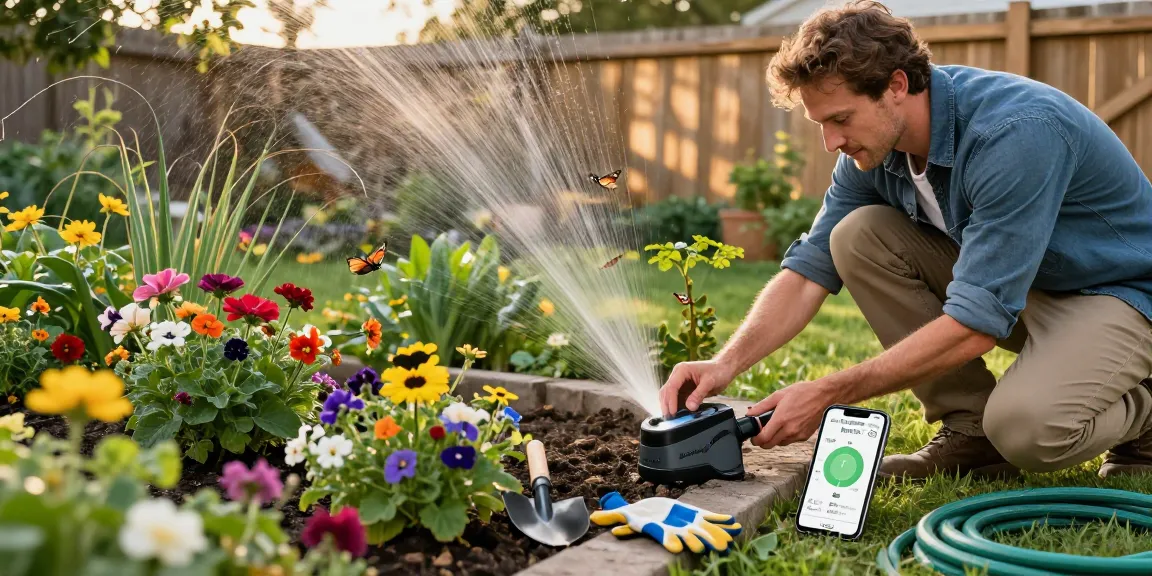
Understanding the RainPoint Sprinkler Timer
The evolution of irrigation technology has made it easier than ever to ensure that gardens and lawns receive optimal watering. One of the standout products in this category is the rainpoint sprinkler timer, which combines convenience with efficiency. This article will delve into the features, benefits, and setup process of the RainPoint Sprinkler Timer, and how it can elevate your gardening experience while saving water.
What is a RainPoint Sprinkler Timer?
A RainPoint Sprinkler Timer is a sophisticated device that automates the irrigation process, allowing homeowners to set specific watering schedules for their gardens or lawns. This smart technology not only simplifies watering routines but also optimizes water usage based on the plant's needs. The timer is designed to be user-friendly and adaptable, making it suitable for both novice gardeners and seasoned horticulturists.
Key Features of the RainPoint Sprinkler Timer
- Wi-Fi Connectivity: Enables remote control and monitoring through a dedicated smartphone app.
- Soil Moisture Sensors: Automatically adjusts watering schedules based on current soil moisture levels.
- User-Friendly Interface: An intuitive display that simplifies the setup and programming of watering routines.
- Multiple Zones: Capability to manage different areas of your garden, each with its tailored watering schedule.
- Data Analytics: Provides insights into water usage, helping users identify and reduce wastage.
Benefits of Using a Smart Sprinkler Timer
Investing in a RainPoint Sprinkler Timer goes beyond mere convenience. Here are some notable benefits:
- Water Conservation: By utilizing smart technology, this timer ensures that water is used efficiently, minimising waste and reducing utility bills.
- Healthy Plant Growth: Consistent and appropriate watering schedules foster robust plant development, leading to flourishing gardens.
- Time-Saving: The set-it-and-forget-it feature frees up time for gardeners, allowing them to focus on other tasks.
- Flexibility: Ability to customize watering schedules based on weather changes, plant conditions, and seasonal requirements.
Setting Up Your RainPoint Sprinkler Timer
Getting started with your RainPoint Sprinkler Timer is straightforward. Follow this comprehensive installation guide to set it up correctly and enjoy its myriad features.
Step-by-Step Installation Guide
- Unbox and Inspect: Ensure all components are present and undamaged.
- Choose an Optimal Location: Place the timer as close to the water source as possible, preferably at a height that is easily accessible.
- Connect Hoses: Attach hoses to the designated outlets on the timer, ensuring there are no leaks.
- Power Up: Insert batteries or connect to a power source, depending on your model.
- Follow Setup Instructions: Use the provided manual or app to complete the setup process, including clock and scheduling adjustments.
Connecting to Wi-Fi for Remote Access
To take full advantage of the timer’s features, connect it to your home Wi-Fi. This step allows you to control the timer remotely and receive notifications directly to your smartphone. Simply follow the app instructions after creating an account, and ensure your Wi-Fi is stable for seamless connectivity.
Optimizing Watering Schedules for Plant Types
Different plants have varying watering needs. It’s crucial to customize your timer settings based on the types of plants you have in your garden. Here are tips for scheduling:
- Flower Beds: Water early in the morning or late in the evening to minimize evaporation.
- Lawns: Deep watering every few days is more effective than daily shallow sprinkling.
- Vegetable Gardens: Adjust watering frequency based on seasonal growth stages.
Common Mistakes to Avoid with RainPoint Sprinkler Timers
Even the best technology can lead to issues if not used correctly. Here are common pitfalls and how to avoid them:
Overwatering: Signs and Solutions
Overwatering is a common mistake that can lead to drowning plants and increased water waste. Signs include waterlogged soil, wilting leaves, and a muddy surface. Use the moisture sensor feature to avoid this by ensuring your plants receive only the water they need.
Ignoring Weather Conditions
Failing to adjust your watering schedule based on recent rain or unexpected weather can result in excessive water use. Always take advantage of the RainPoint's ability to integrate weather forecasts to modify your watering schedule accordingly.
Neglecting Regular Maintenance and Updates
Keeping your timer properly maintained will ensure longevity and optimal function. Regularly check connections, replace batteries if necessary, and update the app for the latest features and improvements.
Maximizing Efficiency with RainPoint Technology
The technology embedded within the RainPoint Sprinkler Timer offers various ways to improve water conservation techniques. Understanding how to harness these features will enhance your gardening experience.
Smart Water Conservation Techniques
- Customized Watering Times: Adapt your watering schedule based on the season and specific plant needs.
- Rain Delay Function: Automatically postpone watering after significant rainfall.
- Zone Management: Segment your garden into zones to cater to the unique needs of different plants.
Using Soil Sensors Effectively
Soil sensors are invaluable tools that provide real-time data on moisture levels. Implementing these effectively can prevent issues related to over or under-watering:
- Take readings at various depths for more accurate moisture content insights.
- Set moisture thresholds to dictate when watering should commence.
Integrating Other Smart Home Solutions
The RainPoint Sprinkler Timer can be integrated with other smart home devices, allowing for seamless automation throughout your home. Consider combining it with weather stations or smart thermostats for enhanced environmental control.
Future Trends in Smart Irrigation for 2026
The landscape of smart irrigation is continually evolving. Here, we explore some anticipated advancements that will shape the future of gardening.
Advancements in Sprinkler Timer Technology
Future sprinkler timers are expected to feature improved AI capabilities that can predict plant needs based on growth cycles and weather patterns, resulting in even more efficient water management.
Sustainability Practices in Gardening and Irrigation
There’s an increasing demand for sustainable gardening practices. Innovations like rainwater harvesting systems and greywater recycling are likely to be integrated with smart timers, promoting eco-friendly gardening.
Consumer Preferences and Market Predictions
As consumers become more environmentally conscious, the demand for smart irrigation solutions like RainPoint is expected to rise, with a focus on durability, ease of use, and smart technology integration.
Frequently Asked Questions
How does the RainPoint sprinkler timer save water?
The RainPoint sprinkler timer employs smart technology to adjust watering schedules based on current weather conditions and soil moisture levels, minimizing water wastage while ensuring plants receive adequate hydration.
Can I control the RainPoint timer from my smartphone?
Yes, the RainPoint timer can be controlled and monitored remotely through a dedicated smartphone application, allowing you to manage your irrigation system from anywhere.
What plants benefit most from a RainPoint sprinkler timer?
Almost all garden plants benefit from consistent watering schedules. However, plants with specific moisture requirements, such as vegetables and ornamental plants, will see the most significant improvement with a RainPoint system.
How do I troubleshoot common issues with the timer?
Most issues can be addressed through the app, which offers troubleshooting guidance. Additionally, checking the device connections and ensuring proper installation are essential steps in resolving problems.
Are there any additional features in newer models?
Newer models often include enhanced connectivity options, improved user interfaces, better moisture sensors, and design adjustments that increase durability and ease of use.