Understanding the Tree House Life Concept
The concept of tree house living, or tree house life, is becoming increasingly popular as more individuals and families seek unique ways to connect with nature while enjoying modern comforts. By elevating living spaces above ground, tree houses offer not only a retreat from the hustle and bustle of urban life but also an opportunity to engage with the environment. This article delves into the intricacies of adopting a tree house lifestyle, exploring its benefits, diverse styles, and essential considerations for anyone contemplating this unique dwelling.
What is a Tree House Life?
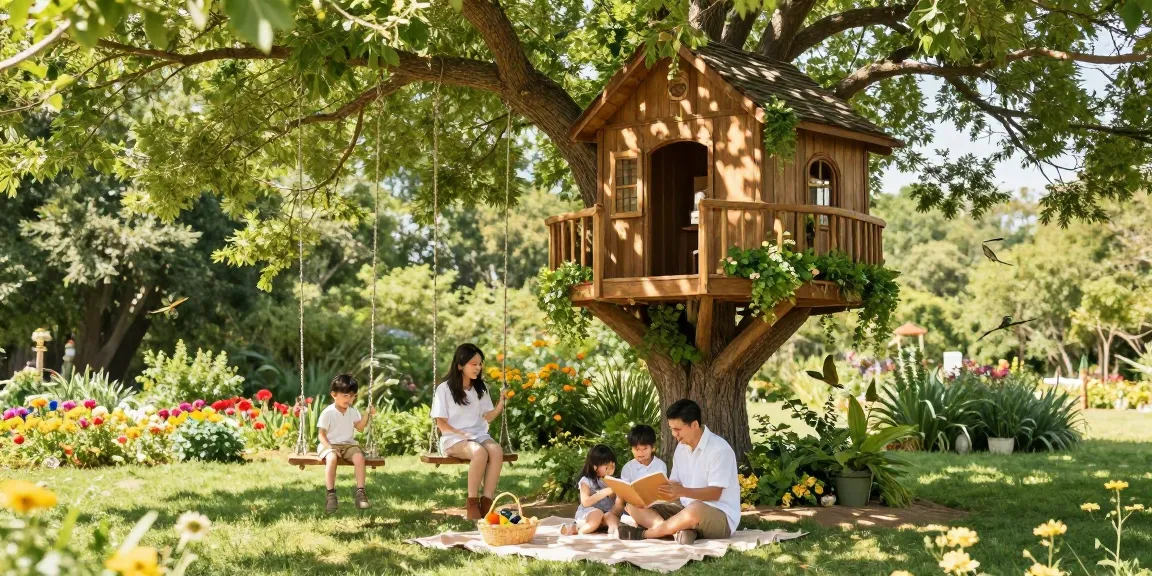
Tree house life encompasses a lifestyle centred around living, playing, and working within tree houses. These structures can serve various purposes, from simple hideaways to fully equipped homes designed with modern amenities. The allure of tree houses lies in their ability to foster a deeper connection with nature, offering unobstructed views of the surrounding landscape and enhancing outdoor experiences. With designs ranging from rustic to luxury, tree houses can cater to different aesthetic preferences and functional needs.
The Benefits of Tree Houses for Family Living
Integrating a tree house into family life provides numerous advantages:
- Connection with Nature: Living elevated among the trees allows families to immerse themselves in the natural environment, promoting outdoor activities and environmental awareness.
- Creativity and Imagination: Tree houses often inspire creativity in children and adults alike, encouraging play and imaginative adventures.
- Unique Living Experience: The experience of living in a tree house can be serene and liberating, offering a break from traditional living arrangements.
- Community Interaction: Tree houses can serve as gathering places for family and friends, fostering community bonds through shared experiences.
Different Styles of Tree Houses: Which Suits You?
When considering a tree house, it's essential to examine the various styles available. Common designs include:
- Classic Tree Houses: Simple structures that evoke nostalgia, often featuring wooden construction and basic amenities.
- Luxury Tree Houses: These are designed with high-end materials and include features like plumbing, heating, and intricate décor, appealing to those looking for a full-time residence.
- Playhouse Tree Houses: Primarily for children's play, these designs are often simpler, with slides, swings, and open play spaces.
- Eco-Friendly Tree Houses: Built with sustainable materials and designed to have minimal environmental impact, these houses may incorporate renewable energy sources and water conservation systems.
Planning Your Tree House Journey
Embarking on your tree house journey requires careful planning. This phase involves critical decisions regarding the location, design, and financial aspects, ensuring that the resulting structure meets your family's needs while harmoniously fitting into the environment.
Choosing the Right Location for Your Tree House
The choice of location is vital. Optimal sites will consider factors such as tree health, sunlight exposure, and proximity to the main dwelling. When selecting a location, it's essential to choose healthy trees capable of supporting the weight of the structure. Additionally, consider the surrounding environment to enhance your tree house experience, incorporating views, wildlife, and natural features.
Design Considerations for a Sustainable Tree House Life
Designing a tree house should focus on sustainability, aesthetics, and functionality. Key considerations include:
- Material Selection: Use reclaimed wood or sustainably sourced materials to minimise environmental impact.
- Energy Efficiency: Incorporating solar panels, rainwater collection systems, and adequate insulation can enhance your tree house's sustainability.
- Architectural Style: Ensure the design aligns with local aesthetics and regulations, enhancing your connection to the surrounding environment.
Your Budget: Cost Factors to Consider
Building a tree house involves various costs, including materials, labour, and permits. Generally, budget breakdowns may include:
- Materials: Costs can vary dramatically based on the choice of materials, from affordable timber to luxury finishes.
- Labour: Hiring professionals can increase costs, while DIY projects may save money but require significant time and skill.
- Utilities: If planning for plumbing or electricity, be prepared for additional installation costs.
Building Your Tree House
Once planning is complete, it’s time to embark on the construction phase. This process requires knowledge of structural integrity, safety, and construction techniques to ensure your tree house stands the test of time.
Essential Materials: What You Need
Gathering the right materials is crucial for building a durable and safe tree house. Key materials typically include:
- Timber: High-quality, treated wood is essential for both the structural components and the finishings.
- Fasteners: Use durable bolts, screws, and brackets designed for outdoor use to ensure stability.
- Safety Gear: Equipment such as helmets, harnesses, and scaffolding are vital for safe construction.
Step-by-Step Building Guide for Your Tree House Life
The construction of a tree house can be broken down into clear steps:
- Design Approval: Finalise the design and secure necessary permits.
- Site Preparation: Clear the area of debris, and ensure safe access to the selected trees.
- Foundation Construction: Create a stable foundation using platforms or posts that support the structure.
- Frame the Structure: Construct the wall frames and roof to create a safe enclosure.
- Install Finishing Touches: Add windows, doors, and outdoor elements like decks or swings.
Safety Considerations During Construction
Safety cannot be overlooked during the building process. Key precautions include:
- Using Safety Gear: Ensure all workers wear appropriate safety equipment.
- Structural Integrity Checks: Regularly assess the tree's health and the stability of the structure as you build.
- Emergency Preparedness: Have a first-aid kit readily available and ensure everyone knows emergency routes.
Enjoying Your Tree House Life
With your tree house completed, it’s time to fully embrace the lifestyle that comes with it. Enjoying this unique dwelling can transform daily life into an adventure filled with relaxation and connection to nature.
Activities to Enjoy in Your Tree House
Tree houses provide a myriad of opportunities for fun and relaxation. Here are some activities to consider:
- Reading Nooks: Create peaceful spaces with comfortable seating for reading and reflection.
- Outdoor Entertaining: Host friends and family, enjoying meals and gatherings in your lofty retreat.
- Creative Spaces: Utilise the unique environment for art, writing, or crafting, encouraging creativity.
Creating an Outdoor Living Space in the Trees
Enhancing your tree house with outdoor living spaces can elevate your experience. Consider adding:
- Decks: Expansive decks can extend your living space while providing stunning views of your surroundings.
- Gardens: Incorporate vertical gardens or planters to bring additional greenery into your tree house life.
- Hammocks: Install hammocks for relaxation, letting you swing gently among the treetops.
Integrating Nature into Your Daily Life
Use your daily experiences in your tree house to cultivate a greater awareness and appreciation for nature. Establish routines that encourage outdoor time, such as morning coffee on the deck, evening stargazing, or wildlife observation. These practices will deepen your connection to the environment and enrich your overall well-being.
Future Trends in Tree House Living
The future of tree house living is poised for exciting developments. As technology and design evolve, so do the possibilities for integrating modern living with a love for nature.
Innovative Designs for 2026 and Beyond
Future tree house designs are likely to incorporate even more advanced technology and techniques, including:
- Smart Home Features: Integration of smart technology for enhanced security and energy management.
- Modular Designs: Flexible structures that can be expanded or reconfigured according to needs.
- Biophilic Design: This approach blurs the line between indoor and outdoor living, enhancing the experience of nature.
Sustainable Practices in Tree House Construction
Moving forward, sustainability will remain a cornerstone of tree house design and construction. Expect to see:
- Renewable Energy Solutions: Increased use of solar panels and wind turbines to power tree houses.
- Water Recapture Systems: Innovative systems for collecting and using rainwater effectively.
- Recyclable Materials: An emphasis on materials that can be reused or recycled to minimise waste.
Connecting with Community through Tree House Life
The tree house lifestyle encourages a sense of community connection. As more individuals explore this unique form of living, shared experiences can lead to the establishment of tree house communities where ideas, designs, and experiences are swapped. Host workshops or events to foster engagement within the tree house community, creating a network of support and shared knowledge.