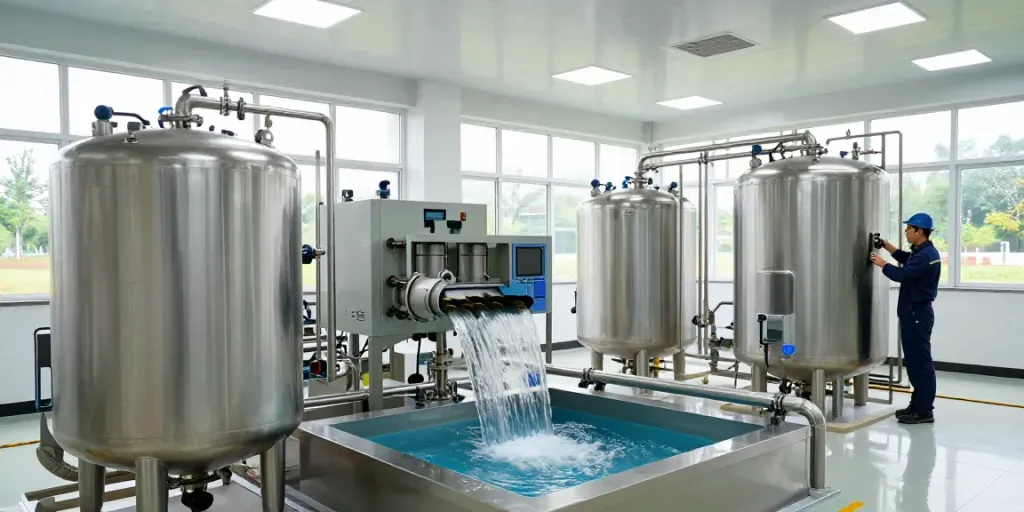
Understanding the Role of Water Treatment System Suppliers
Water is a critical resource that sustains life and fosters economic development. However, the ongoing challenges related to water quality and availability necessitate innovative solutions. This is where the expertise of a Water Treatment System Supplier comes into play. These suppliers play a vital role in ensuring that industries and municipalities have access to effective water treatment technologies that meet regulatory standards and environmental sustainability goals.
Defining Water Treatment Systems
Water treatment systems are engineered solutions aimed at improving water quality through various physical, chemical, and biological processes. These systems can be tailored to specific needs, ranging from municipal water supply systems to complex industrial wastewater treatment facilities. At their core, these systems are designed to remove impurities, pathogens, and harmful substances from water, thereby making it safe for consumption and use.
Importance of Supplier Partnerships
Strong partnerships with water treatment system suppliers are crucial for organizations that rely on clean and safe water. Effective collaboration allows for customized solutions that address unique water quality challenges. Suppliers bring in valuable expertise in system design, compliance with regulatory standards, and ongoing support, ensuring that water treatment solutions remain efficient and effective over their operational lifespan.
Core Applications of Water Treatment Systems
Water treatment systems encompass a wide array of applications tailored to meet specific requirements across different sectors. The following are some of the core applications:
- Pure & Drinking Water Treatment: These systems filter and purify water to meet safety standards for consumption.
- Industrial High-Difficulty Wastewater Treatment: Specialized systems designed to handle complex industrial effluents that may contain hazardous materials.
- Municipal Sewage Treatment: Comprehensive systems that treat wastewater from urban areas to protect public health and the environment.
- Rural & Decentralized Treatment: Solutions designed for smaller communities or remote areas where centralized systems are impractical.
- Special Industry & Solid Waste Recycling: Systems customized for industries requiring specific treatment processes, including recycling of solid waste.
- Emergency Sewage & Mobile Treatment: Flexible systems that can be quickly deployed in disaster-stricken or emergency situations.
Challenges Faced by Water Treatment System Suppliers
The landscape for water treatment system suppliers is multifaceted and comes with its fair share of challenges. Understanding these challenges is essential for suppliers to remain competitive and effective in the market.
Market Demand Fluctuations
Market dynamics can lead to fluctuations in demand for water treatment systems based on regulatory changes, environmental concerns, and seasonal water availability. Suppliers must be agile to adapt to these shifts and anticipate future needs through market research and predictive analytics.
Technological Advancements
As the industry evolves, suppliers face the pressure of keeping pace with rapid technological advancements. New water treatment technologies, such as membrane filtration and advanced oxidation processes, must be integrated into existing systems or developed for future applications, requiring significant investment in research and development.
Regulatory Compliance Issues
Water treatment suppliers must navigate a complex landscape of local, national, and international regulations. Compliance with strict guidelines is crucial to ensure public health and safety, and it often requires ongoing adjustments to technologies and processes in response to changing standards.
Best Practices for Water Treatment System Suppliers
To thrive in a competitive environment, water treatment system suppliers should adhere to best practices that enhance efficiency, sustainability, and customer satisfaction.
Innovation in Water Treatment Technologies
Emphasizing innovation is critical for suppliers aiming to differentiate themselves. Investing in cutting-edge technologies, such as smart water systems that leverage IoT (Internet of Things) for real-time monitoring and automated responses, can lead to enhanced performance and resource conservation.
Ensuring Quality Control
Maintaining stringent quality control measures throughout the design, manufacturing, and installation processes is essential. Suppliers should implement comprehensive testing protocols and adhere to international standards to ensure the reliability and efficacy of their products.
Building Sustainable Practices
Sustainability is more than a trend; it is a necessity in today's water treatment industry. Suppliers should prioritize eco-friendly practices, such as using renewable energy sources and optimizing their processes to minimize waste and emissions. These practices not only align with regulatory demands but also appeal to environmentally-conscious consumers.
Case Studies in Effective Water Treatment Solutions
Real-world examples of successful water treatment implementations showcase the capabilities of suppliers in addressing varied water challenges.
Successful Municipal Projects
One notable project involves the deployment of a containerized water treatment system in a mid-sized city facing water quality issues. By utilizing advanced filtration and disinfection technologies, the city reported a significant reduction in contaminants, leading to improved public health and regulatory compliance.
Industrial Applications of Containerized Systems
In the industrial sector, a major manufacturing company utilized a custom containerized wastewater treatment system tailored to handle high volumes of effluent with specific pollutants. The system's scalability allowed for easy upgrades, ensuring that the company can adapt to increasing production demands while maintaining compliance.
Emergency Response Scenarios
During natural disasters, quick deployment of water treatment solutions can save lives. An example includes a mobile sewage treatment unit sent to a flood-affected area, where it provided immediate relief by treating contaminated water and preventing the outbreak of waterborne diseases.
Future Trends in Water Treatment for 2026 and Beyond
The water treatment industry is on the brink of transformation as new technologies and methodologies emerge to tackle global water challenges.
Emerging Technologies to Watch
Key technologies to monitor include nanotechnology for enhanced filtration, AI-driven predictive maintenance, and advanced biotreatment methods using natural processes for wastewater treatment. These innovations promise to increase efficiency and reduce the footprint of water treatment systems.
Global Water Challenges and Solutions
As climate change continues to affect water availability, the global community must adopt integrated approaches to water management, including the use of greywater recycling, rainwater harvesting, and sustainable watershed management practices.
The Evolving Role of Water Treatment System Suppliers
Water treatment system suppliers will increasingly play a pivotal role in shaping the future of water resource management. By collaborating with policymakers, environmental agencies, and the public, these suppliers can contribute to a more sustainable and resilient water ecosystem.
What are the benefits of containerized water treatment systems?
Containerized water treatment systems offer flexibility, rapid deployment capabilities, and the ability to operate in diverse environments. This makes them especially beneficial for emergency response scenarios and temporary installations.
How do I choose a reliable water treatment system supplier?
When selecting a supplier, consider their experience, range of services, technology offerings, and commitment to sustainability. Checking references and previous project success stories can also provide insight into their reliability.
What are the latest trends in water treatment technology?
Recent trends include the increased use of artificial intelligence for monitoring and optimizing processes, advancements in membrane technology, and a focus on decentralization to enhance local water resiliency.
What regulatory issues should suppliers be aware of?
Suppliers must stay abreast of evolving regulations related to water quality, wastewater discharge standards, and environmental protections to ensure compliance and avoid penalties.
What are the common applications for water treatment systems?
Common applications include drinking water treatment, industrial wastewater management, municipal sewage treatment, and mobile or emergency response units for immediate needs.