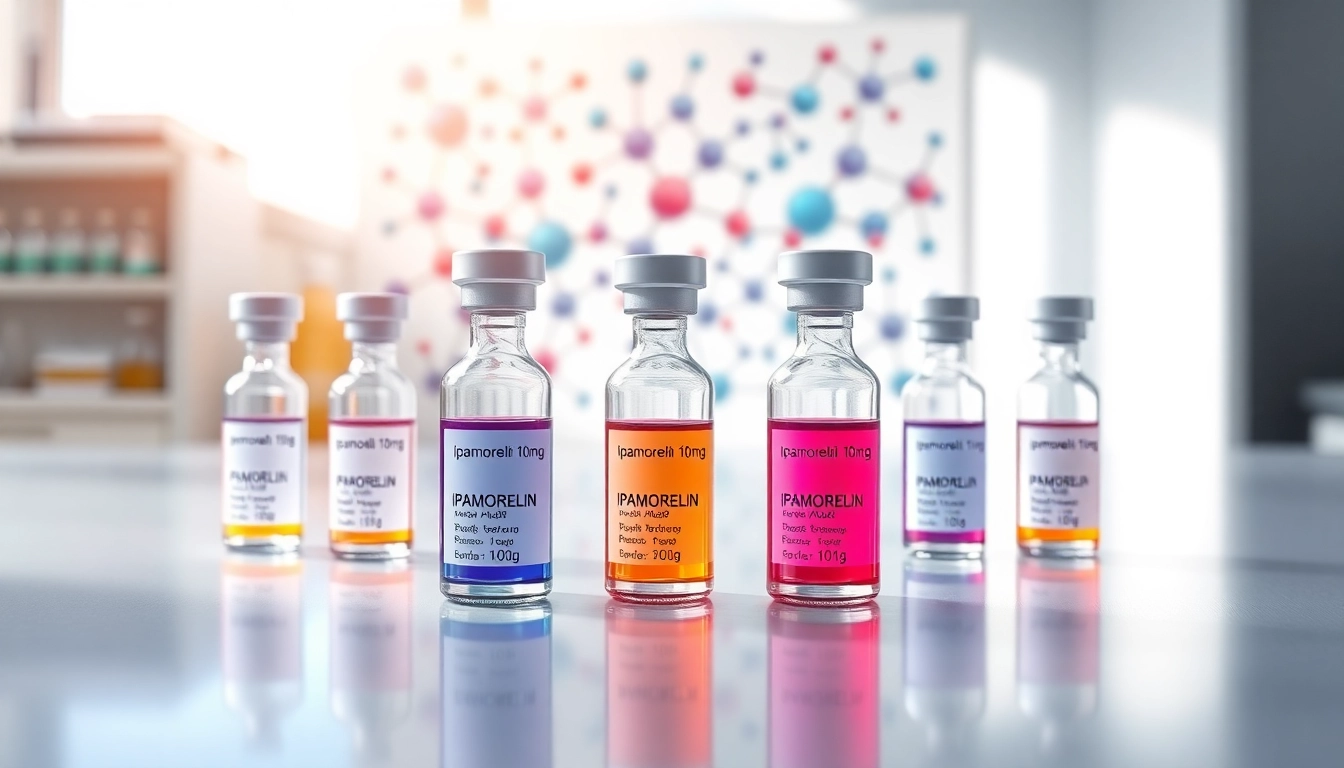
Introduction to Research Peptides
What Are Research Peptides?
Research peptides are short chains of amino acids that play critical roles in various biological functions within the body. Comprised of anywhere from two to 50 amino acids, peptides serve as the building blocks of proteins and are involved in signaling, hormonal regulation, and cell communication. By mimicking the structure of natural proteins, research peptides can activate specific pathways that enhance cellular and physiological responses.
Importance in Biomedical Research
The significance of research peptides extends far beyond basic biochemistry. They are integral to the advancement of therapeutic strategies targeting a variety of conditions, including metabolic disorders, cancers, and degenerative diseases. Many research peptides have shown promising results in preclinical and clinical studies, with applications in drug development, regenerative medicine, and personalized therapy approaches. The ghk cu peptide, for instance, has gained attention for its regenerative capabilities and potential medicinal benefits.
Key Types of Peptides
Research peptides can be categorized based on their functionalities. Some key types include:
- Intracellular signaling peptides: Involved in communication within cells.
- Antimicrobial peptides: Offer potential in treating infections by combating pathogens.
- Hormonal peptides: Regulate physiological processes and may serve as therapeutic agents.
- Regenerative peptides: Focus on healing, such as GHK-Cu, which has shown potential in promoting tissue repair.
Mechanisms of Peptide Action
How Peptides Interact with Cells
Peptides interact with cells primarily through receptor binding, where they fit into specific molecular receptors, triggering a cascade of cellular signals. This interaction can regulate gene expression, facilitate cellular repair mechanisms, and modulate metabolic pathways. Understanding these interactions is crucial for developing effective peptide-based therapies.
Understanding Signal Transduction
Signal transduction refers to the process through which a cell responds to external signals through a series of molecular events. When a peptide binds to its receptor, it initiates signal transduction pathways that can alter cellular function. This process is central to how peptides exert their effects in clinical applications, including those associated with the GHK-Cu peptide, which enhances cellular repair mechanisms.
Role of GHK-Cu Peptide in Healing
GHK-Cu peptide, a copper-binding peptide, is recognized for its role in promoting wound healing and tissue regeneration. It enhances collagen synthesis and accelerates the repair of damaged tissues. Moreover, GHK-Cu regulates inflammation processes and promotes angiogenesis, the formation of new blood vessels, which is vital for effective healing.
Benefits of GHK-Cu Peptide
Specific Applications in Regeneration
The regenerative benefits of GHK-Cu peptide have been validated through numerous studies. This peptide has shown effectiveness in various applications such as:
- Tissue repair: Facilitating faster recovery from injuries.
- Hair regrowth: Stimulating follicular development and growth.
- Bone healing: Enhancing mineralization and healing in fractures.
Skin Health and Anti-Aging
GHK-Cu peptide is widely acclaimed in skincare for its anti-aging properties. By stimulating fibroblasts to produce collagen and elastin, it enhances skin elasticity and firmness. Clinical studies reveal that topical applications of GHK-Cu can diminish fine lines, improve skin texture, and even out skin tone. This makes it a potent ingredient in skincare formulations aimed at reversing the signs of aging.
Potential in Wound Healing
The ability of GHK-Cu to promote healing is a significant asset in both cosmetic and medical settings. It enhances the healing of surgical wounds, burns, and chronic ulcers by stimulating cell migration and proliferation. Research highlights the peptide's potential to significantly reduce healing time, making it a valuable adjunct in post-surgical and trauma care.
Research and Development of Peptides
Current Trends in Peptide Synthesis
Peptide synthesis is experiencing a revolution thanks to advancements in biotechnology and chemical methods. Solid-phase peptide synthesis (SPPS) and liquid-phase synthetic strategies are among the prevalent techniques. These advances allow for the production of longer peptides with higher purity and better yield, enhancing the potential for therapeutic applications.
Challenges in Peptide Research
While peptide research holds significant promise, it is not without challenges. Issues such as peptide stability, bioavailability, and rapid degradation in vivo can hinder the clinical application of peptides. Researchers are focusing on developing novel delivery systems and modifying peptide structures to enhance their stability and efficacy for therapeutic use.
Future Directions
The future of peptide research is poised for innovation with the integration of AI in drug design, automated peptide synthesis technologies, and the exploration of novel peptides for therapeutic use. As understanding of peptide biochemistry expands, the potential applications in fields like regenerative medicine and chronic disease therapies continue to grow.
Frequently Asked Questions
What is the GHK-Cu peptide used for?
GHK-Cu peptide is primarily utilized for its regenerative properties, particularly in skin health and healing.
How does GHK-Cu peptide promote healing?
This peptide enhances cellular communication and stimulates the production of collagen and other essential components for tissue repair.
Are there any side effects?
GHK-Cu is generally considered safe, but individual reactions can vary; it's advisable to consult a healthcare professional.
What research supports its effectiveness?
Numerous studies indicate the peptide's efficacy in promoting wound healing and skin rejuvenation.
Can GHK-Cu peptide be used in skincare products?
Yes, many skincare formulations incorporate GHK-Cu for its anti-aging and skin-repairing benefits.