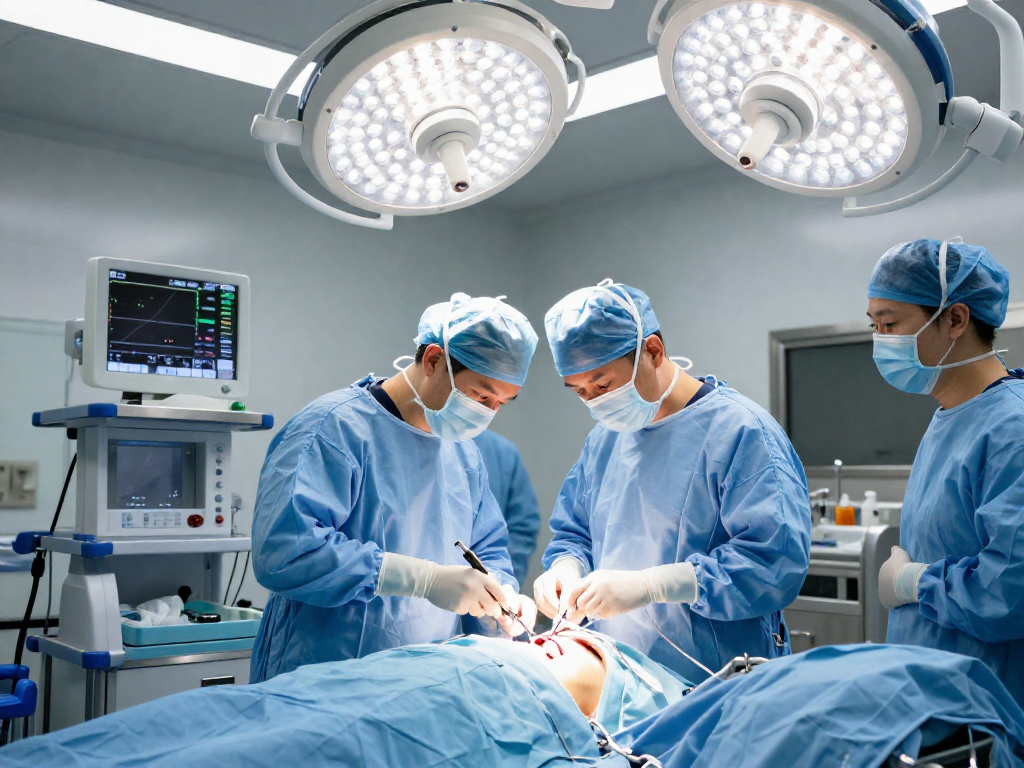
Understanding Bel Fıtığı Ameliyatı
Bel fıtığı, disklerin omurlar arasında yer değiştirmesiyle oluşan ve çoğunlukla ani hareketler, aşırı yüklenme veya yaşlanmayla ilişkilendirilen bir durumdur. Bu durum, bel bölgesinde rahatsız edici ağrılara ve kas zayıflığına neden olabilir. Bel fıtığı ameliyatı, bu ağrıların yönetilmesinde ve hastaların yaşam kalitesini artırmada önemli bir rol oynamaktadır. When exploring options, Bel fıtığı ameliyatı provides comprehensive insights into the conditions under which surgical intervention is necessary.
What is Bel Fıtığı Ameliyatı?
Bel fıtığı ameliyatı, omurga disklerinin cerrahi olarak onarılması veya çıkarılmasıdır. Bu işlem, sinir köklerine veya omuriliğe baskı yapan fıtıklaşmış disk materyalini kaldırmak amacıyla gerçekleştirilir. Cerrahinin temel hedefi, ağrıyı azaltmak ve normal sinir fonksiyonlarını geri kazandırmaktır. Ameliyat, çoğu zaman mikrocerrahi ve endoskopik yöntemler kullanılarak yapılır, bu da hastaların daha hızlı iyileşmesini sağlar.
Indications for Surgery
Surgery is typically indicated when conservative treatments fail to alleviate severe pain or when neurological deficits occur. Patients exhibiting symptoms such as foot drop (the inability to lift the front of the foot), loss of bladder or bowel control, or significant weakness in the legs may require immediate surgical intervention. Additionally, chronic pain that persists despite medication or physical therapy can warrant surgical evaluation to prevent permanent nerve damage.
Types of Minimally Invasive Techniques
Modern surgical techniques for bel fıtığı include various minimally invasive methods, such as microdiscectomy and endoscopic discectomy. These procedures involve smaller incisions and utilize advanced visualization tools, leading to less tissue damage and quicker recovery times. The choice of technique largely depends on the specific characteristics of the herniated disc and the patient's overall health.
When Should You Consider Surgery?
Determining the right time for surgery can be complex. It typically arises when the intensity of pain severely impacts daily activities or if neurological symptoms worsen. Consulting a specialist in spinal surgery can provide a clearer perspective on the appropriateness of surgical options versus ongoing conservative care.
Signs that Indicate the Need for Surgery
- Persistent pain that does not respond to physical therapy or medications
- Neurological deficits, such as weakness or numbness in the legs
- Significant impairment in daily activities
- Symptoms of Cauda Equina Syndrome, including incontinence
Consequences of Delaying Surgery
Delaying necessary surgical interventions can lead to irreversible nerve damage, prolonged suffering, and decreased quality of life. For example, if a patient experiences ongoing weakness or numbness, the likelihood of nerve recovery diminishes over time. This underscores the importance of timely medical evaluation and intervention.
Patient Pain Points and Expectations
Patients often express concerns about post-operative pain, recovery time, and the overall success of the surgery. Understanding that some discomfort is normal post-surgery can help set realistic expectations. Effective pain management strategies and a structured rehabilitation program can significantly enhance the recovery process.
Benefits of Minimally Invasive Surgery
The evolution of surgical techniques has introduced numerous benefits for patients undergoing bel fıtığı ameliyatı. Minimally invasive approaches typically offer reduced post-operative pain, shorter recovery times, and lower complication rates.
Advantages of Microdiscectomy
Microdiscectomy presents several advantages over traditional open surgery. This includes less muscle and tissue damage, which accelerates healing and typically allows patients to resume normal activities more quickly. Additionally, the smaller incision results in lower levels of postoperative scarring.
Recovery Time Compared to Traditional Surgery
Patients who undergo minimally invasive surgery often experience a significantly shorter recovery period. While traditional surgeries may require weeks of downtime, those who have microdiscectomies can generally return to light activities within a few days and full activities within a few weeks.
Long-term Outcomes and Patient Satisfaction
Studies indicate that patients who undergo minimally invasive procedures report high levels of satisfaction, with many experiencing substantial pain relief and improved function in the long term. This highlights the effectiveness of modern techniques in addressing the challenges posed by bel fıtığı.
Post-Operative Care and Recovery
Following surgery, proper care and rehabilitation are critical to ensure a successful recovery. Patients are often advised to avoid strenuous activities and follow a tailored exercise regimen prescribed by their healthcare provider.
Managing Pain and Discomfort
Managing post-operative pain effectively can enhance recovery. Medications, including nonsteroidal anti-inflammatory drugs (NSAIDs), are commonly prescribed to mitigate discomfort. Additionally, the application of ice packs and heat therapy can also aid in the recovery process.
Importance of Physiotherapy
Engaging in physical therapy post-surgery is vital for regaining strength and flexibility. A specialized physiotherapy program can help patients restore optimal spinal function and prevent the recurrence of bel fıtığı.
Tracking Recovery Progress
Regular follow-up appointments are essential to monitor recovery progress. These visits allow healthcare providers to assess healing and adjust rehabilitation plans as necessary, ensuring the best possible outcome.
Future of Bel Fıtığı Ameliyatı Techniques
The field of spinal surgery is continuously evolving, with new technologies and techniques emerging to improve patient outcomes. Research into robotic-assisted surgery and advanced imaging technologies holds promise for enhancing surgical precision and efficacy.
Emerging Technologies in Spinal Surgery
Innovations in surgical techniques, such as augmented reality and advanced imaging modalities, are poised to revolutionize the way spinal surgeries are performed by allowing for greater precision and reduced risks of complications.
2026 Trends in Patient Care
As we move towards 2026, individualized patient care will become increasingly important, with a greater emphasis placed on preoperative assessments and personalized surgical plans to optimize outcomes.
Expert Insights on Future Developments
Experts believe that the integration of artificial intelligence in preoperative planning and intraoperative navigation will lead to even more successful surgical interventions for bel fıtığı, minimizing complications and enhancing recovery times.
What Are the Common Questions About Bel Fıtığı Ameliyatı?
Patients often have several questions concerning bel fıtığı ameliyatı, particularly regarding expected outcomes and the potential for complications. Clarifying these points can aid in alleviating anxiety and preparing for the surgical journey.
How Long is the Recovery Period After Surgery?
The recovery period may vary based on several factors, including the complexity of the surgery and the individual patient’s health status. Generally, patients may return to light activities within a week and full activities within a month.
What Complications Can Arise from Bel Fıtığı Ameliyatı?
Potential complications can include infection, bleeding, and nerve damage, though these are rare with minimally invasive techniques. Post-operative monitoring and adherence to recovery protocols can help mitigate these risks.
Is Surgery Always Necessary for Bel Fıtığı?
No, surgery is not always necessary. Many patients can manage symptoms through conservative treatment options, including physical therapy, medication, and lifestyle changes. However, surgical intervention becomes critical when these measures fail.
What Should Patients Know Before Getting Surgery?
Before undergoing surgery, patients should be informed about the procedure, its risks and benefits, and the expected recovery process. For more information, Bel fıtığı ameliyatı offers valuable insights. Open communication with the healthcare team can help establish realistic expectations and enhance the surgical experience.