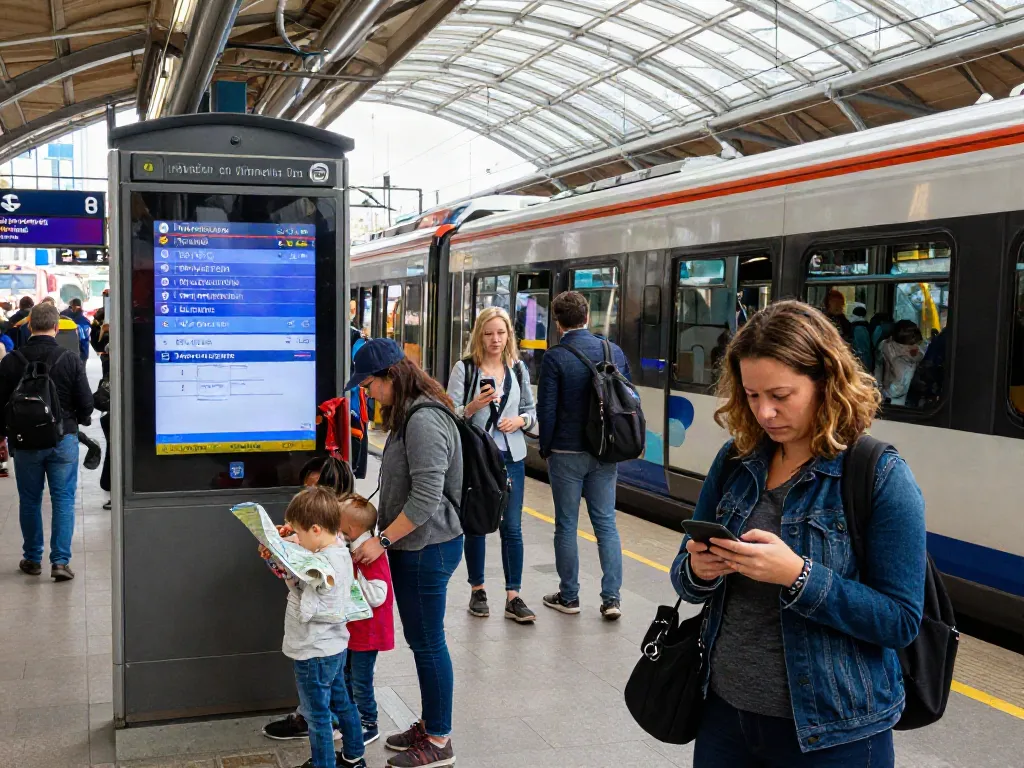
Understanding Transport Delays: A Comprehensive Overview
Transport delays, particularly in public transportation systems, are an unavoidable aspect of daily commuting that can have a cascading effect on productivity, personal schedules, and overall quality of life. Understanding the nuances of these delays is crucial for commuters, businesses, and local authorities alike. Not only do transport delays disrupt routine travel plans, but they can also lead to unexpected stress and significant time wastage. Therefore, it is essential to stay informed about upcoming disruptions in transportation networks. One effective way to achieve this is through digital platforms that offer timely notifications regarding transport delays, ensuring that commuters can make educated decisions about their travel arrangements.
What Are Transport Delays and Their Causes?
Transport delays refer to instances where the actual arrival or departure time of a transportation service, such as a bus, train, or flight, is later than the scheduled time. Common causes of transport delays include:
- Weather Conditions: Severe weather can significantly impact the timeliness of public transportation.
- Mechanical Failures: Unexpected breakdowns or technical issues can lead to service interruptions.
- Traffic Congestion: In urban areas, heavy traffic can result in significant delays for bus and taxi services.
- Labor Disputes: Strikes and other labor-related issues can halt operations, causing widespread service disruptions.
- Accidents: Collisions or incidents on the tracks can lead to delays in rail services.
The Impact of Transport Delays on Daily Commutes
Transport delays can lead to a ripple effect on commuters’ daily lives. For individuals relying on public transportation, unexpected delays can result in:
- Missed Appointments: Commuters may find themselves late for work, meetings, or social engagements.
- Increased Stress: The uncertainty that accompanies delays can lead to anxiety and frustration.
- Financial Costs: Delays may necessitate additional expenses, such as taking alternative routes or modes of transport.
For businesses, these delays can translate into lost productivity, strained employee relations, and ultimately, a negative impact on the bottom line.
Common Misconceptions About Transport Delays
There are several misconceptions surrounding transport delays that can cloud public perception. Common myths include:
- All delays are due to poor management.
- Only public transit systems are affected by delays.
- Delays only impact city dwellers and not those in suburban or rural areas.
Understanding the varied nature of these delays can foster better communication and expectations among commuters and transport authorities.
Real-Time Updates: The Key to Managing Transport Delays
In the digital age, access to real-time updates regarding transport delays is imperative. Technology is playing a crucial role in revolutionizing how commuters receive information about their transport options. Apps and services that provide live updates enable users to plan their journeys more effectively, thereby minimizing the negative impacts of delays.
How Technology is Changing the Landscape of Transport Notifications
Smart mobile applications and digital platforms now allow users to receive notifications about delays, route changes, and cancellations at their fingertips. This shift towards digital solutions has led to a more informed commuting experience. Features of these technologies include:
- Real-Time Notifications: Alerts sent directly to users’ devices about unforeseen disruptions.
- Interactive Maps: Visual representation of transport networks that update in real-time.
- Personalized Alerts: Notifications tailored to specific routes and travel preferences.
Best Practices for Using Transport Apps Effectively
To maximize the benefits of transport apps, users should consider the following best practices:
- Customize Settings: Users should set preferences for the types of notifications they wish to receive.
- Check Updates Regularly: Regularly refreshing information can lead to better travel planning.
- Utilize Mapping Features: Leverage interactive maps to visualize delays and plan alternative routes.
Choosing the Right Notifications for Your Commuting Needs
Depending on individual travel patterns, the choice of notifications can vary greatly. Commuters should select notifications that best align with their travel habits, such as:
- Daily commutes for work or school
- Occasional trips for emergencies or special events
- Long-distance travel
Regional Variations: Understanding Local Transport Delays
Transport delays can vary significantly by region due to infrastructure differences, local governance, and environmental factors. It is essential to understand how these delays manifest in different areas of Italy.
Transport Delays Across Major Italian Regions
Each region in Italy experiences unique challenges with transport delays:
- Lombardy: Urban congestion in Milan frequently affects local and regional trains.
- Lazio: Delays in Rome are often exacerbated by a high volume of tourists and commuters.
- Sicily: Geographic barriers can lead to sporadic delays for public transport.
Comparative Analysis of Transport Delays in Europe vs. Italy
When comparing transport delays across Europe, Italy ranks differently based on various indicators. Factors influencing these differences include:
- Investment in Infrastructure: Regions with modern infrastructure tend to experience fewer delays.
- Regulatory Practices: Variations in labor regulations can impact service continuity.
- Weather Conditions: Regions more prone to severe weather can expect higher delay rates.
Case Studies: How Regions Are Adapting to Reduce Delays
Innovative solutions are being implemented to mitigate the impact of transport delays. Examples include:
- Lombardy’s “Smart Mobility” Initiative: Integrating various transport modes to enhance efficiency.
- Rome’s Real-Time Passenger Information Systems: Improving communication with passengers during delays.
Preparing for Future Transport Delays: Strategies and Insights
As delays continue to pose challenges for commuters, proactive strategies can help alleviate their impacts. Planning ahead is crucial in this regard.
Anticipating Delays: Planning Your Travel Schedule Wisely
Commuters should be encouraged to anticipate potential delays by:
- Allocating extra time for commuting
- Staying informed about weather patterns that may affect travel
- Regularly reviewing transport schedules and updates
Using Transport Applications for Advanced Notice
Transport applications offer advanced notice of potential delays. By utilizing these tools:
- Users can receive alerts about upcoming strikes or service interruptions.
- Applications can suggest alternative routes to circumvent delays.
Staying Informed During Peak Travel Times
Understanding peak travel times can greatly assist in avoiding delays. Strategies include:
- Traveling during off-peak hours when possible.
- Monitoring real-time updates for specific services.
Future Trends in Transport Delays: What to Expect in 2026
As we move towards 2026, several trends may shape the landscape of transport delays:
Emerging Technologies Impacting Transport Efficiency
Technological advancements are set to revolutionize transportation efficiency. Innovations such as autonomous vehicles and improved routing algorithms may significantly reduce delays.
Legislative Changes and Their Effects on Public Transport
New policies aimed at improving public transport can lead to less frequent delays. Potential legislative changes include:
- Increased funding for infrastructure improvements
- Policies that encourage the use of environmentally friendly transport methods
Predictions for the Future of Public Transport in Italy
The future of public transport is poised for transformation due to evolving societal needs and technological advancements. Key predictions include:
- A shift towards more sustainable transport options
- Greater integration of services through multi-modal transport solutions
- Improved communication strategies to keep users informed
What Are the Most Common Causes of Transport Delays?
Understanding the root causes of transport delays is vital for both commuters and authorities. By addressing these issues, systems can be designed to minimize their occurrence.
How Can I Stay Informed About Transport Delays?
Staying informed requires proactive engagement with available technologies and resources to ensure timely notifications about potential disruptions.
What Should I Do If My Transport is Delayed?
If faced with a delay, commuters should utilize apps or other resources to monitor the situation and consider alternative plans.
Are There Apps That Provide Real-Time Updates on Delays?
Numerous apps, including those specific to regional transport networks, can provide real-time updates on delays and service changes.
How Do Transport Delays Affect My Daily Route?
Delays can significantly alter daily routes, necessitating flexibility and adaptability in travel plans.