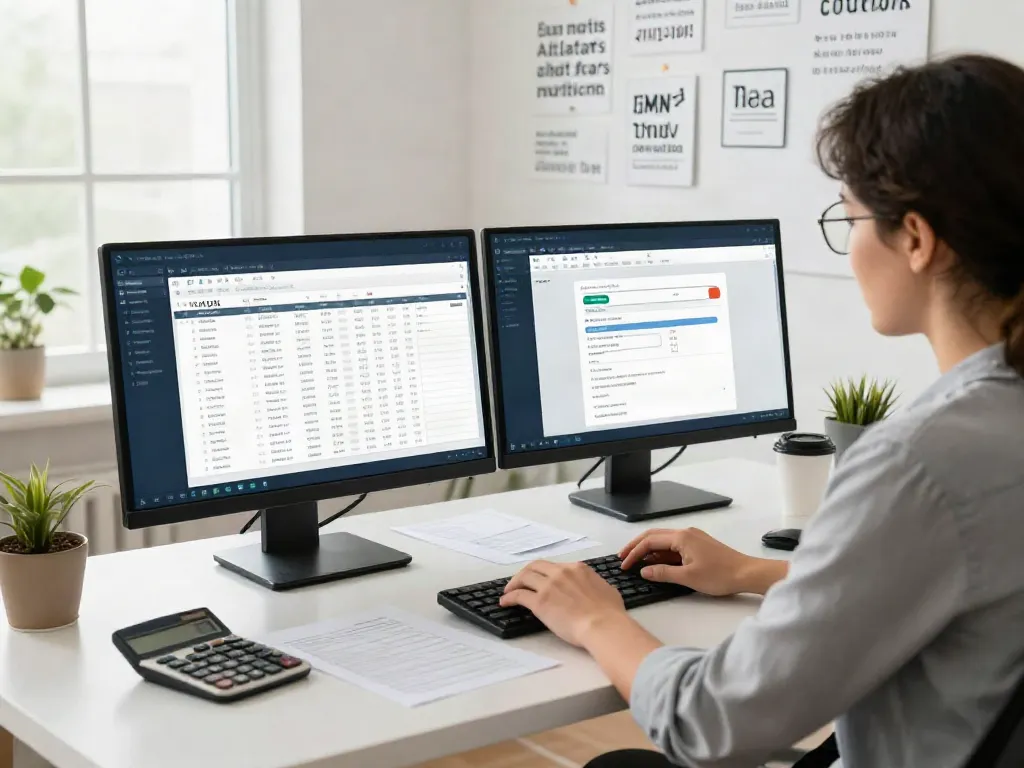
Understanding the Essentials of Tax Preparation Software
In the current financial landscape, the right technology can significantly enhance the efficiency and effectiveness of tax preparation services. Professional tax software has become an indispensable tool for tax preparers, offering various features that streamline processes and improve client satisfaction. As the industry evolves, it's crucial for aspiring entrepreneurs to choose software for starting a tax preparation business that meets their specific needs and helps them stand out in a competitive market.
What is Tax Preparation Software?
Tax preparation software is designed to assist tax professionals and businesses in preparing and filing tax returns. This software automates numerous tasks, helping to reduce errors, save time, and improve customer interactions. Key functionalities typically include data entry, tax calculations, electronic filing capabilities, and client management tools. Some advanced software also integrates e-signature capabilities, making it easier for clients to approve documents remotely.
Key Features to Look For
- Ease of Use: A user-friendly interface is essential, especially for those who may not be tech-savvy.
- Customizable Options: Look for software that allows for branding and customized reports.
- Client Management Tools: Integrated CRM features can facilitate better client relationships.
- Multi-Language Support: Allows tax preparers to serve a diverse clientele effectively.
- Compliance and Updates: Ensure the software receives regular updates to keep up with tax law changes.
Benefits of Using Professional Software for Starting a Tax Preparation Business
Investing in professional tax preparation software offers several significant advantages. First, it enhances efficiency by automating repetitive tasks, allowing tax preparers to focus more on client interaction and business strategy. Secondly, using robust software can lead to increased accuracy in tax calculations, minimizing costly errors that can arise from manual processing. Additionally, many solutions come equipped with reporting tools that provide insights into the business's performance, helping owners make informed decisions.
Choosing the Right Software for Your Needs
Not all tax software is created equal, making it imperative to evaluate your unique business requirements before making a choice. Understanding your clientele, the volume of returns you expect, and your budget will guide your decision.
Comparative Analysis of Popular Tax Software Solutions
Various software solutions are tailored for specific business types. For instance, cloud-based software like NTO provides flexibility for tax preparers who work in different locations or have remote clients. Competitive products like Drake Tax and TaxSlayer Pro offer powerful features ideal for large firms, whereas simpler, more affordable options might benefit smaller operations. Understanding the differences can save you time and resources down the line.
Tailoring Software Solutions for Different Business Models
Your choice of tax software should align with your business model. For example, mobile tax services may benefit significantly from software that focuses on e-signatures and document upload features. Conversely, traditional storefronts might prioritize robust client relationship management tools to maintain a steady flow of returning clients. Tailoring your choice can set you apart in a saturated market.
Cost Considerations and Budgeting for Software Investments
Budgeting for tax preparation software is crucial, especially for startups. Some software solutions may have a higher upfront cost but offer long-term savings through automation and efficiency. It's advisable to compare monthly and yearly subscription options and consider the total cost of ownership, including any additional features you might need.
Implementing Software Solutions Effectively
Once you've selected the appropriate software, the next step is effective implementation. This process can significantly affect how well you and your team adapt to the new technology.
Step-by-Step Guide to Setting Up Your Tax Software
- Installation: Follow the manufacturer's guidelines carefully to install the software correctly.
- Configuration: Set up your business profile, including your logo, color scheme, and unique identifiers.
- Data Migration: Import any necessary data from previous systems to ensure continuity.
- Testing: Run a few scenarios to ensure the software performs as expected before going live.
Best Practices for Data Management and Client Interaction
Utilizing best practices for data management ensures your operations run smoothly. Regular backups and data encryption enhance security, while efficient client interaction practices can boost satisfaction and retention. Establishing clear workflows for document collection and client communication is essential.
Training Staff to Utilize Software Solutions
Training is critical for maximizing the benefits of your tax preparation software. Consider implementing structured training programs for your team. This can range from hands-on demonstrations to comprehensive online courses. Ensuring your staff is well-trained can significantly reduce errors and increase overall productivity.
Enhancing Client Experience with Technology
Client satisfaction is paramount in the tax preparation industry. This section outlines ways to utilize technology for improved client interactions.
Integrating E-Signature and Paperless Solutions
E-signature capabilities can drastically reduce turnaround times on client approvals. By integrating these functionalities, tax preparers can facilitate faster processing of tax returns, providing a level of convenience that clients will appreciate. Additionally, a paperless office not only enhances the client experience but also promotes environmental sustainability.
Utilizing CRM Tools for Client Relationship Management
CRM tools can transform how you manage client relationships. These systems can help you track communication, manage appointments, and even segment your client base for targeted marketing efforts. Investing in a comprehensive CRM solution as part of your tax preparation software can yield significant long-term benefits.
Leveraging Digital Marketing Tools to Reach More Clients
With the rise of digital marketing, having tools at your disposal can enhance your outreach efforts. Utilizing integrated email and SMS marketing pipelines allows you to communicate effectively with clients, keeping them informed about tax deadlines and promotions. This proactive approach can foster loyalty and encourage referrals, which are vital for growth.
Future Trends in Tax Preparation Software
The landscape of tax preparation is constantly changing, influenced by advancements in technology and client expectations. Keeping an eye on trends can help tax preparers stay competitive.
Emerging Technologies in Tax Preparation
Artificial intelligence (AI) and machine learning are beginning to play a significant role in tax preparation. These technologies can assist in data analysis, identify patterns in tax returns, and even help in predicting customer behavior. As these tools become more widespread, they can enhance efficiency and accuracy, making them invaluable assets for tax preparers.
Predictions for the Tax Industry in 2026 and Beyond
Experts predict that by 2026, the tax preparation industry will see even greater automation and integration of various software solutions. The rise of remote working models will likely require tax software to offer more seamless collaboration tools. Tax preparers who adapt to these changes early are likely to find increased success.
How Software Innovation Will Shape Tax Services
Continuous innovation in software development will shape the future of tax preparation services. Preparing for changes means adapting quickly and being willing to embrace new technologies that streamline processes and enhance client interactions. The ability to pivot and incorporate these technologies will define successful tax practices in the coming years.
What software do most tax preparers use?
The tax preparation industry features various software options, each catering to different types of preparers, from solo operators to established firms. Researching market trends and peer recommendations can help you make an informed choice when selecting software.
How do I start my own tax prep business?
Starting a tax preparation business requires careful planning. From acquiring the necessary licenses to choosing the right software tools, every aspect is crucial. Establishing a strong client acquisition strategy through effective marketing will set the foundation for growth.
What is the best tax filing software for small businesses?
For small businesses, the best tax filing software will balance ease of use and robust features. Options like NTO can provide tailored solutions for small firms, ensuring all necessary tools are available to streamline their operations.
What are the benefits of a paperless tax office?
Transitioning to a paperless tax office provides benefits such as increased efficiency, reduced physical storage needs, and improved access to documents. Additionally, it contributes to sustainability, which can enhance brand perception among environmentally conscious clients.
How can CRM tools improve my tax preparation services?
CRM tools improve tax preparation services by streamlining client communications, enhancing service personalization, and organizing data efficiently. This can lead to improved client relationships and higher retention rates, which are critical for a thriving business.