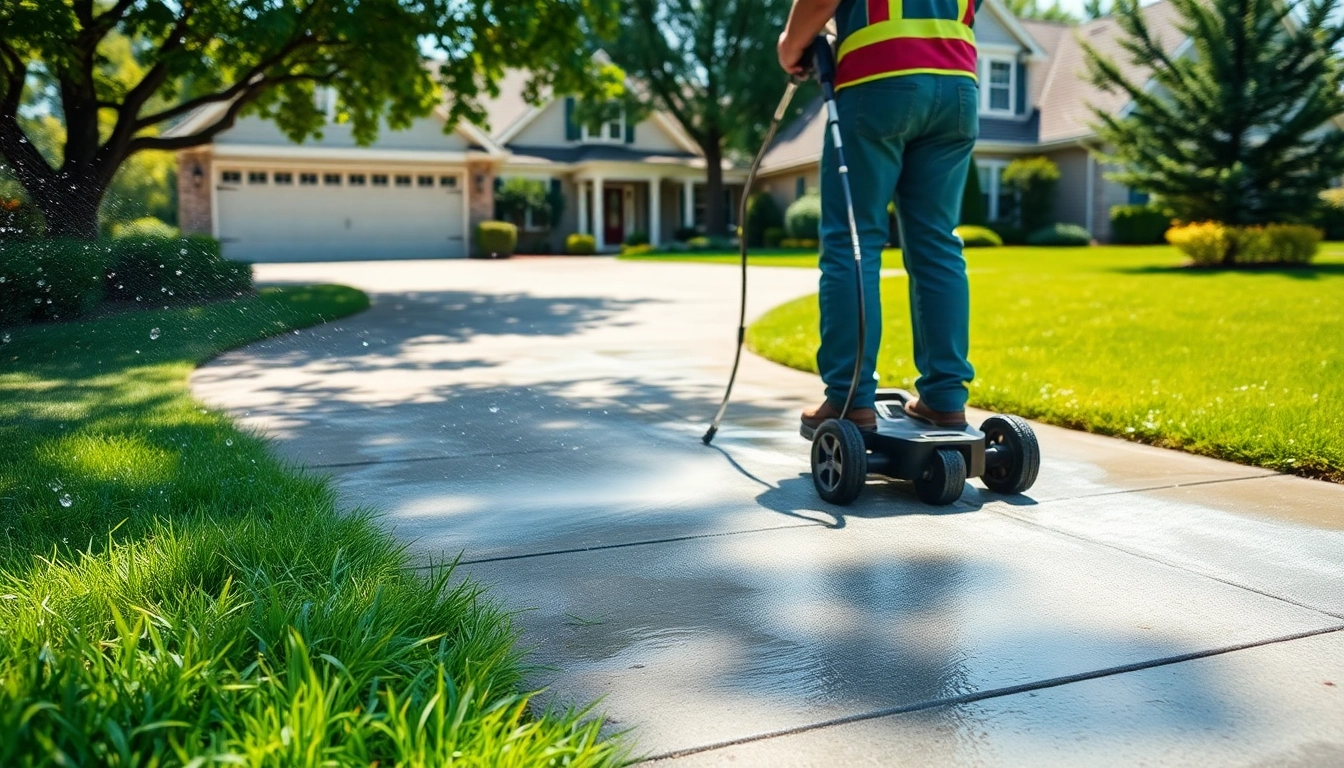
Understanding Driveway Cleaning Techniques
Maintaining a clean driveway is an integral aspect of homeownership that not only contributes to the aesthetic appeal of your property but also extends the lifespan of your driveway. driveway cleaning techniques have evolved over the years, adapting to different surfaces and varying levels of grime. Understanding the available methods can help you make informed decisions about your cleaning practices.
Types of Driveway Cleaning Methods
Driveway cleaning methods can vary considerably based on the material of the driveway, the level of dirt and stains present, and your budget. Here, we explore some of the most common driveway cleaning techniques:
- Pressure Washing: A highly effective method, pressure washing uses a high-pressure water spray to remove dirt, grime, and stains from the surface. Ideal for concrete and asphalt driveways, this method can eliminate tough oil stains, dirt, and even moss.
- Steam Cleaning: This method utilizes high-temperature steam to break down dirt and stains. It's gentle on surfaces and particularly effective for brick and paver driveways where less aggressive cleaning is preferred.
- Chemical Cleaning: Involves the use of specialized cleaning solutions that target specific stains. For example, degreasers can remove oil stains, while mold and mildew removers can tackle algae and moss.
- DIY Methods: Basic scrubbing with soapy water and stiff brushes can work for lighter cleaning jobs. However, it's crucial to pick methods appropriate for the driveway material to avoid damage.
Choosing the Right Equipment
Choosing the right equipment for driveway cleaning is crucial to achieve optimal results without damaging the surface. Here are some considerations:
- Pressure Washers: For concrete driveways, a pressure washer with at least 1500 PSI is recommended. Gas-powered models typically offer higher pressure and greater effectiveness compared to electric models.
- Steam Cleaners: These units are suitable for delicate surfaces and can thoroughly cleanse without the aggressive force associated with pressure washing.
- Cleaning Solutions: Select chemical cleaners depending on the specific stains you need to address. Make sure they are safe for your driveway material.
Common Cleaning Solutions
Different stains require specific solutions for effective removal. Here are some common types:
- Detergent Mixtures: A mix of soap and warm water can break down light grease and dirt.
- Mold and Algae Removers: Look for non-toxic, biodegradable options that effectively eliminate unwanted growth.
- Oils and Degreasers: These solutions are formulated to break down heavy grease and oil stains, commonly found in garages and driveways.
Benefits of Professional Driveway Cleaning
While some homeowners opt for DIY cleaning methods, hiring professionals for driveway cleaning can result in benefits that far outweigh the costs. Here are some of the key advantages:
Enhanced Curb Appeal
A clean driveway significantly enhances your home's curb appeal. First impressions matter, and a stain-free, well-maintained driveway reflects positively on your property. This can not only impress visitors but also increase the value of your home.
Increased Longevity of Driveway
Regular cleaning helps to protect your driveway from premature wear and tear. By eliminating substances that can cause deterioration, such as mold and oil, you can prolong the life of your driveway, saving you money on future repairs or replacements.
Healthier Outdoor Environment
Driveways that are not cleaned regularly can become breeding grounds for mold and mildew, which may pose health risks for your family. Professional driveway cleaning can eliminate these hazards, contributing to a healthier outdoor environment.
DIY vs. Professional Driveway Cleaning
Deciding whether to clean your driveway yourself or call in professionals involves various factors that merit careful consideration.
Cost Comparison and Considerations
DIY driveway cleaning can be cost-effective; however, it often requires purchasing or renting specialized equipment and cleaning solutions. Professional services might seem like a more significant upfront cost but can provide quality results that justify the expense.
Safety and Efficiency Factors
Using high-pressure equipment carries safety risks: improper handling can result in injury or damage to your driveway. Professionals are trained to handle these risks responsibly, ensuring safe and efficient workflow.
When to Call in Professionals
Consider hiring professionals when dealing with stubborn stains, if you’re unsure about proper cleaning techniques, or if your driveway features delicate materials like pavers or natural stones.
How Often Should You Clean Your Driveway?
Determining how often to clean your driveway depends on various factors, including climate, traffic, and the materials used in construction.
Factors Affecting Cleaning Frequency
Common factors include geographical location, climate (high humidity areas may foster mold growth), and how frequently the driveway is used. For residential driveways, an average of 1 to 2 cleanings per year is advisable.
Seasonal Cleaning Tips
Consider cleaning just before the winter season. Removing dirt and grime before snow can prevent potential damage and maintain your driveway's integrity during thawing cycles.
Signs That It’s Time to Clean
Look out for staining, discoloration, or a major buildup of dirt and algae as indicators it’s time for a cleaning. Additionally, any signs of cracking or flaking may warrant immediate attention.
FAQs About Driveway Cleaning
How much should driveway cleaning cost?
The average cost of driveway cleaning can range between $0.30 and $0.55 per square foot, depending on the driveway material and level of cleaning required.
What is the best method for cleaning a driveway?
Pressure washing is generally considered the most effective method for cleaning driveways, especially for concrete and asphalt surfaces.
Can I do driveway cleaning myself?
Yes, you can use DIY methods for light cleaning, but deeper stains may require professional cleaning for effective removal.
How long does the driveway cleaning process take?
The process typically takes about 1 to 3 hours depending on the size of the driveway and the cleaning method used.
Will driveway cleaning damage my surface?
With proper techniques and equipment, driveway cleaning should not damage the surface. However, using excessive pressure on delicate surfaces can cause harm.