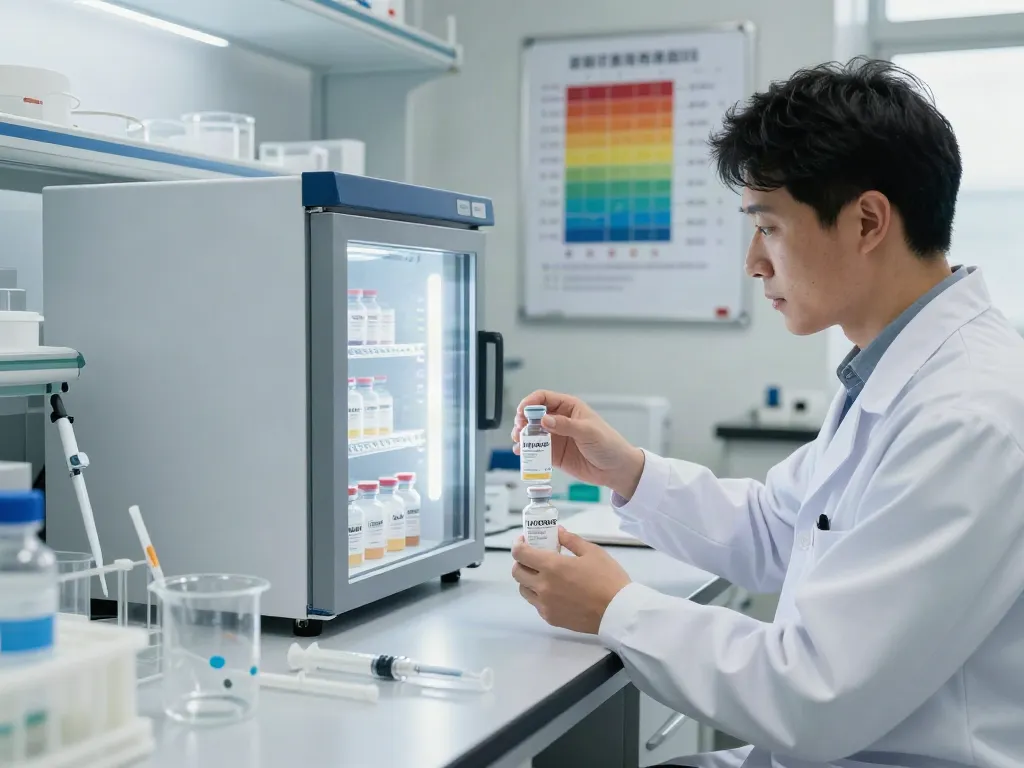
Understanding Peptide Storage: Key Principles
Peptides, which are short chains of amino acids, play a critical role in various biological processes and are increasingly utilized in research for their therapeutic potential. However, the effective storage and reconstitution of peptides are paramount to maintaining their integrity and functionality. This article delves into the intricacies of how peptides are stored and reconstituted, focusing on best practices and the latest insights in the field, aimed at researchers and professionals involved in peptide studies.
What Are Peptides and Their Importance?
Peptides are essential biomolecules formed by sequences of amino acids linked by peptide bonds. They are vital in signaling pathways, acting as hormones, neurotransmitters, and enzymes. In research, peptides are used for various applications, including drug development, disease modeling, and as research tools for studying cellular functions and processes.
Common Storage Conditions for Stability
The stability of peptides largely depends on their storage conditions. Generally, peptides should be stored in a cool, dry, and dark environment to minimize degradation. For comprehensive insights on how peptides are stored and reconstituted, researchers must consider factors such as temperature, light exposure, and humidity.
Factors Affecting Peptide Integrity
- Temperature: Elevated temperatures can increase the rate of hydrolysis and oxidation of peptides, leading to degradation.
- Light Exposure: Many peptides are sensitive to light, which can cause photodegradation.
- pH Levels: The pH of the storage environment can significantly impact peptide stability; extreme pH levels can lead to denaturation.
- Contamination: Contaminated storage containers or solutions can introduce enzymes and other factors that may degrade peptides.
How Peptides Are Stored: Methods and Best Practices
Lyophilization and Its Benefits
Lyophilization, or freeze-drying, is one of the most effective methods for storing peptides. This process removes water from the peptide solution while maintaining its structure, significantly enhancing its shelf life. Lyophilized peptides can be stored at -20°C or lower, providing excellent stability compared to aqueous solutions.
Optimal Temperatures for Storage
For long-term storage, peptides should be kept at -80°C, while short-term storage can be at -20°C. Once reconstituted, peptides should ideally be stored at 2-8°C for no more than a few weeks, depending on the specific peptide's stability profile.
Avoiding Contamination during Storage
Contamination can jeopardize the quality of peptides. It is essential to use sterile, tightly sealed vials and to handle peptides with clean instruments. Additionally, avoid repeated freeze-thaw cycles, as they can also contribute to degradation.
Reconstitution Procedures for Peptides
Step-by-Step Guide to Reconstituting Peptides
- Prepare a sterile environment and gather your materials, including the peptide vial, solvent, syringe, and sterile water or buffer.
- Remove the cap from the peptide vial and clean the rubber stopper with alcohol.
- Using the syringe, draw the required volume of solvent.
- Inject the solvent into the vial containing the lyophilized peptide slowly to avoid foaming.
- Gently swirl the vial to mix but avoid vigorous shaking, which can denature the peptide.
Choosing the Right Solvent
The choice of solvent is crucial for peptide reconstitution. Common solvents include sterile water for injection, saline, or specific buffers that match the peptide's intended use. The pH of the solvent should also align with the peptide's stability requirements.
Common Mistakes in Reconstitution
- Using non-sterile materials: Always ensure that all materials are sterile to prevent contamination.
- Injecting solvent too quickly: This can cause frothing and may damage the peptide structure.
- Improper storage post-reconstitution: Failing to refrigerate the peptide solution can lead to rapid degradation.
Short-Term vs Long-Term Storage: What You Need to Know
How Long Can Reconstituted Peptides Be Kept?
Reconstituted peptides should be used as soon as possible, but they can generally be stored in a refrigerator for 28 days. However, stability can vary based on the peptide's specific properties, so regular monitoring is recommended.
Signs of Degradation in Peptides
- Color Changes: A shift in color may indicate degradation.
- Precipitation: The formation of visible particles indicates instability.
- Changes in solubility: If a peptide that was once soluble starts to precipitate, it may be degraded.
Practical Tips for Optimizing Storage Duration
- Store reconstituted peptides in aliquots to minimize the impact of freeze-thaw cycles.
- Label all vials with the date of reconstitution and projected expiration.
- Consider using desiccators for lyophilized peptides to reduce moisture exposure.
Future Trends in Peptide Research and Storage Solutions
Emerging Techniques in Peptide Preservation
Innovative preservation methods, such as the use of cryoprotectants, are being explored to enhance the stability of peptides during storage. These methods aim to prevent ice crystal formation, which can damage peptide structures during freezing.
Impact of Technology on Storage Methods
Advancements in storage technologies, including automated peptide synthesis and high-throughput screening, are revolutionizing how peptides are stored and handled. These technologies help streamline workflows and ensure the consistent quality of peptide products.
Preparing for Changes in Research Standards by 2026
As peptide research evolves, adherence to new storage standards and regulations will be imperative. Researchers should stay informed about upcoming guidelines from regulatory bodies to ensure compliance and maximize research outcomes.
How do I store my peptides after reconstituting?
Post-reconstitution, peptides should be stored in a refrigerator at 2-8°C and ideally used within a month. If not used promptly, freezing the peptide solution is advisable to prolong its stability.
What destroys peptides in storage?
Peptides can degrade due to factors like high temperatures, exposure to light, and contamination. Hydrolysis and oxidation are common degradation pathways that researchers must mitigate through proper storage practices.
Do peptides go bad after 30 days?
While many peptides may remain stable for up to 30 days if stored correctly, it is essential to monitor for any signs of degradation and to use them as soon as possible for best results.
What happens if I don't refrigerate my peptides?
If peptides are not refrigerated after reconstitution, they can degrade rapidly, losing potency and potentially becoming ineffective for research purposes.
Can I store reconstituted peptides at room temperature?
Generally, it is not recommended to store reconstituted peptides at room temperature for extended periods, as heat and light can lead to significant degradation. However, some peptides may tolerate brief periods outside refrigeration.