
Understanding the Role of Manhattan Construction Manager
The position of a Manhattan Construction Manager serves as a cornerstone in the multifaceted world of construction management, particularly in a bustling urban environment like Manhattan. This role encompasses various responsibilities crucial for the progress and success of construction projects, ranging from planning and execution to team management and client liaison. By exploring the nuanced responsibilities of a Manhattan Construction Manager, we can better appreciate the skills and qualifications necessary to thrive in this challenging landscape.
Key Responsibilities and Duties
Manhattan Construction Managers are tasked with an array of responsibilities that ensure a project's success. These responsibilities include:
- Project Planning: Developing comprehensive project plans that include timelines, resource allocation, and milestones.
- Budget Management: Overseeing the financial aspects of a project, ensuring it stays under budget while also managing expenses efficiently.
- Team Coordination: Engaging with various stakeholders, including contractors, architects, and engineers, to facilitate smooth project execution.
- Risk Management: Identifying potential risks or issues that may arise during construction and formulating strategies to mitigate these risks.
- Quality Control: Ensuring that all work meets industry standards and that materials used are of high quality. Regular inspections and audits are carried out to maintain these standards.
Importance in Project Coordination
Project coordination is pivotal in construction management. The Manhattan Construction Manager serves as a vital link between different project factions. Regular meetings ensure alignment on project goals, while progress reports keep everyone updated. By fostering robust communication systems, they are instrumental in minimizing misunderstandings that can lead to costly delays or rework.
Skills and Qualifications Required
The competencies required for effective performance as a Manhattan Construction Manager include:
- Leadership Abilities: The capacity to lead teams effectively, guiding them toward shared goals and fostering a collaborative atmosphere.
- Excellent Communication: Clear communication skills are essential for expressing project requirements and relaying information among stakeholders.
- Problem-Solving Skills: The ability to analyze situations critically and devise effective solutions promptly.
- Technical Knowledge: Familiarity with the latest construction technologies and building regulations enhances decision-making and compliance.
- Project Management Certification: Certifications such as PMP (Project Management Professional) or CCM (Certified Construction Manager) are often preferred.
Common Challenges Faced by Manhattan Construction Managers
While the role comes with rewarding aspects, it is not without its challenges. Navigating these hurdles requires resilience and strategic thinking.
Budget Management and Financial Oversight
One of the most significant challenges faced by Manhattan Construction Managers is budget management. Construction projects often come with tight budget constraints, which require meticulous financial planning and oversight. Managers need to anticipate potential cost overruns and implement strategies to keep the project financially viable. Employing technology such as construction management software can aid in tracking expenses and providing detailed financial reports.
Time Constraints and Project Timelines
Deadlines in the construction industry can be unforgiving. A Manhattan Construction Manager must adeptly manage timelines to ensure project completion within the set schedule. This includes establishing realistic timelines, considering possible delays such as weather or material shortages, and adapting plans accordingly. Proactive planning and continual progress monitoring are essential practices to mitigate time-related challenges.
Communication Barriers and Team Dynamics
Effective communication is fundamental in construction management but can often be compromised by various barriers. Differences in jargon across disciplines, cultural misunderstandings, or simple miscommunication can lead to conflicts and errors. A skilled Manhattan Construction Manager implements structured communication strategies, including regular meetings and updates, to bridge these gaps and maintain team cohesion.
Best Practices for Effective Management
To navigate the complexities of construction management successfully, adhering to best practices is crucial.
Utilizing Technology in Construction Management
Embracing technology in construction management streamlines operations and enhances productivity. Tools such as Building Information Modeling (BIM) facilitate better planning and visualization of projects. Project management software aids in scheduling and resource allocation, enabling real-time updates and adjustments. The integration of drones can also provide crucial site monitoring and data collection.
Implementing Safety Protocols and Standards
Safety is a primary concern in construction environments. The Manhattan Construction Manager is responsible for enforcing safety protocols to protect workers on-site. This includes regular safety audits, training sessions, and fostering a culture of safety awareness among team members. Compliance with local regulations and industry standards not only ensures worker safety but also mitigates liability risks for the organization.
Fostering Collaboration Among Stakeholders
The importance of collaboration cannot be overstated in construction projects. By establishing strong relationships with all stakeholders early in the project, including clients, contractors, and regulatory bodies, a Manhattan Construction Manager can foster a cooperative environment. Regularly scheduled check-ins and project updates facilitate transparency, encourage feedback, and enhance overall project success.
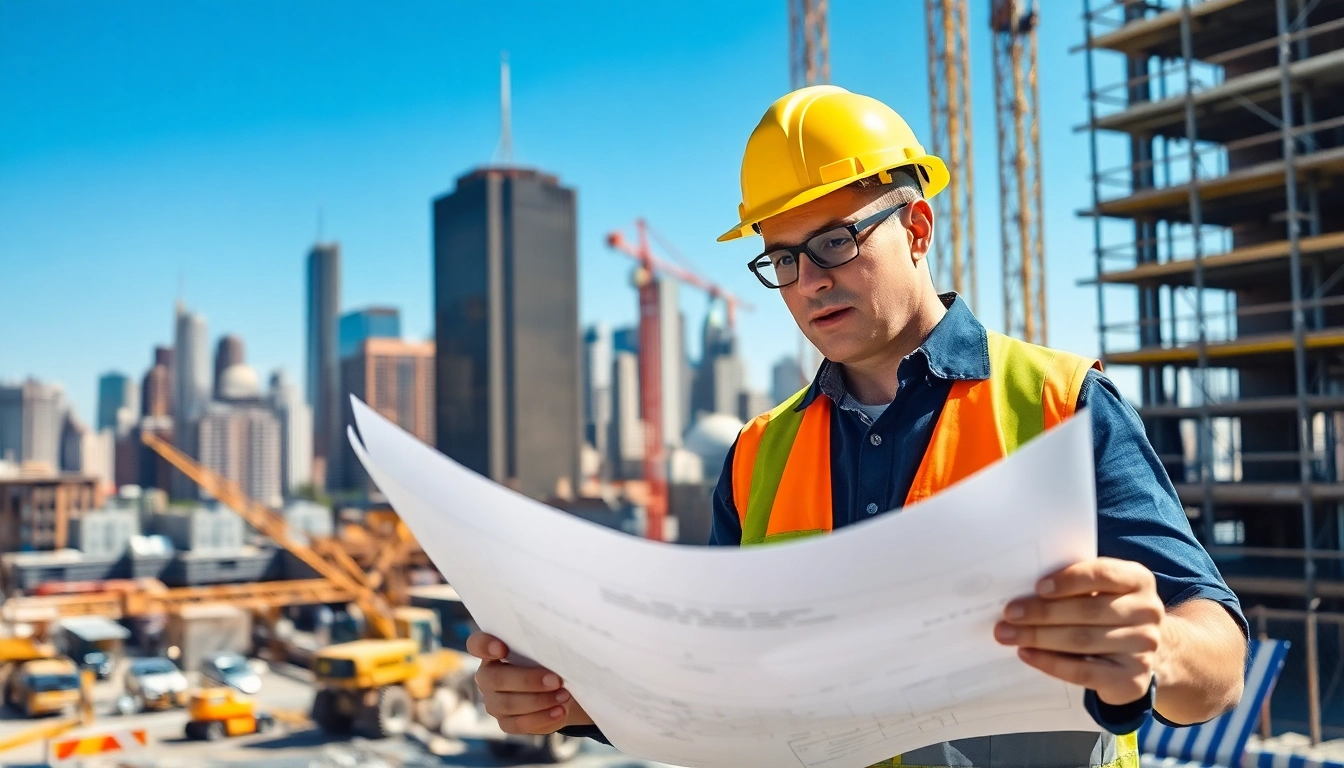
Career Path for Manhattan Construction Managers
For those aspiring to become a Manhattan Construction Manager, understanding the career path is critical to navigating this professional terrain effectively.
Educational Requirements and Certifications
A bachelor’s degree in construction management, civil engineering, or a related field is typically required. Alongside formal education, acquiring relevant certifications such as the Certified Construction Manager (CCM) or Project Management Professional (PMP) can be advantageous. Continuous learning through workshops and seminars also keeps managers updated on industry trends.
Opportunities for Advancement
Career advancement for Manhattan Construction Managers often leads to senior management roles, such as Chief Construction Officer or Project Director. Gaining experience in various project types and complexities can strengthen an individual’s portfolio and open doors to higher-level opportunities. Networking with industry professionals can also present new prospects for advancement.
Networking and Professional Development
Engaging in professional networking is crucial for career development. Joining organizations such as the Construction Management Association of America (CMAA) provides excellent networking opportunities and resources for continuing education. Attending industry conferences allows managers to connect with peers, share insights, and stay informed about the latest developments in construction management.
Future Trends in Construction Management
The landscape of construction management is ever-evolving, with various trends shaping its future.
Sustainability and Green Building Practices
A growing focus on sustainability is transforming construction practices. Manhattan Construction Managers are increasingly expected to implement green building practices that minimize environmental impact. This can involve selecting sustainable materials, optimizing energy efficiency, and adhering to green building certification standards like LEED (Leadership in Energy and Environmental Design).
Digital Transformation in the Construction Sector
The digital revolution is profoundly affecting the construction industry. Construction Managers are increasingly leveraging digital solutions, from project management tools to virtual reality for design visualization. This digital transformation not only improves project efficiency but also enhances collaboration across stakeholders.
The Role of Data Analytics in Project Management
Data analytics is becoming a pivotal component in construction management, driving decision-making processes. From predictive analytics that forecast project risks to real-time performance metrics that guide continuous improvement, leveraging data can significantly enhance project outcomes. Embracing data-driven approaches enables construction managers to make informed decisions that optimize project delivery.
FAQs
What does a Manhattan Construction Manager do?
A Manhattan Construction Manager oversees construction projects, including planning, budgeting, coordination, and execution, ensuring successful project completion.
What skills are required for a Manhattan Construction Manager?
Key skills include communication, leadership, project management, conflict resolution, and familiarity with construction regulations and technology.
How to become a Manhattan Construction Manager?
Typically requires a degree in construction management or related fields, along with hands-on experience in construction and project oversight.
What challenges do Manhattan Construction Managers face?
Challenges include budget constraints, tight deadlines, unforeseen project risks, and communication barriers among diverse project teams.
What is the future of Manhattan Construction Management?
The future is trending towards sustainability, digital transformation, and the increased utilization of data analytics to enhance project efficiency and accountability.