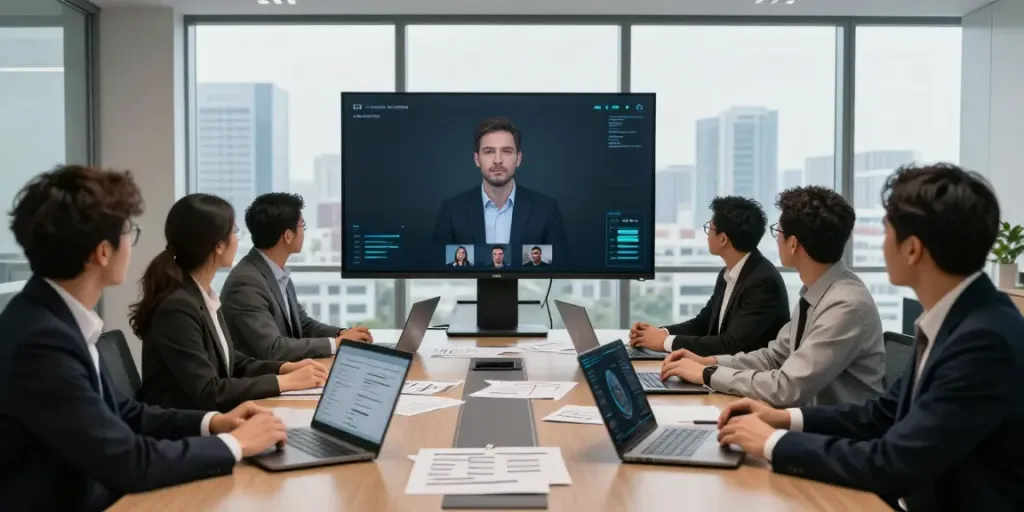
Understanding Deepfake Threats in Meetings
As organizations increasingly rely on virtual meetings and remote collaboration, the authenticity of video communications has become a critical concern. With the emergence of deepfake technology, malicious actors can manipulate video content to create realistic but false representations of individuals. This infiltration poses a significant threat to corporate integrity, confidentiality, and decision-making processes. Understanding these threats is essential for developing effective countermeasures and ensuring the safety of digital interactions. In this context, Deepfake-protected meetings emerge as a vital necessity for modern enterprises.
What Are Deepfakes and Their Implications?
Deepfakes are synthetic media, often created using artificial intelligence (AI), that can convincingly depict real people in fabricated scenarios. This technology leverages machine learning algorithms—particularly Generative Adversarial Networks (GANs)—to produce videos and audio clips that may be indistinguishable from genuine content. The implications of deepfakes are far-reaching, ranging from reputational damage to financial fraud, and extending to potential breaches of confidential information in corporate environments.
Common Tactics Used in Deepfake Attacks
Deepfake attacks typically involve impersonating key stakeholders during virtual meetings. Attackers may employ the following tactics:
- Audio Manipulation: Altering a speaker's voice to imitate their speech patterns and vocal nuances.
- Visual Spoofing: Creating videos that show fake participants in meetings, misleading others about their presence.
- Replay Attacks: Using legitimate past video footage to simulate a meeting environment, thus circumventing trust.
Real-World Examples of Deepfake Incidents
Corporations have experienced various high-profile deepfake incidents. A notable case involved an executive's voice being mimicked to authorize a transfer of hundreds of thousands of dollars to a fraudulent account. Such events highlight the need for stringent security measures in meetings, underscoring the vulnerabilities that deepfake technology presents.
Importance of Deepfake Protection in Corporate Settings
With deepfake technology evolving, the importance of safeguarding corporate meetings against these threats is paramount. The stakes are notably high, as the integrity of business communications directly impacts operational efficiency and corporate reputation.
Why Secure Meetings Are Essential
Secure meetings are essential to maintain trust and transparency within organizations. With the rise of remote work, ensuring that virtual interactions reflect reality is crucial in fostering a collaborative culture. Trust is foundational in negotiations, strategic discussions, and team dynamics; thus, any compromise can lead to detrimental outcomes.
Key Risks Associated with Unprotected Meetings
Unprotected meetings expose organizations to several risks:
- Financial Loss: Fraudsters exploiting deepfakes can lead to direct financial losses through deception.
- Reputational Damage: The exposure of misinformation through deepfake technology can tarnish reputations and damage stakeholder relationships.
- Compliance Issues: Failure to protect sensitive communication can lead to regulatory penalties and legal repercussions.
Regulatory Compliance and Legal Considerations
As deepfake technology becomes more widespread, regulatory bodies are beginning to address the legal implications of synthetic media. Organizations must stay informed about the evolving landscape of compliance laws, ensuring that their meeting practices align with both current and anticipated regulations to mitigate potential legal liabilities.
Best Practices for Implementing Deepfake Protection
To combat the threats posed by deepfakes, organizations should employ a multi-faceted security approach. This involves technical solutions as well as company-wide policy and training initiatives aimed at strengthening overall security.
Choosing the Right Software Solutions
Investing in dedicated software solutions designed to detect and neutralize deepfake threats is essential. Whether through AI-driven video authentication tools or comprehensive platforms that encompass all aspects of meeting security, selecting the right technology can vastly improve an organization's defense posture. It's crucial to evaluate products based on their proven capabilities and adaptability to the organization's unique needs.
Establishing Security Protocols and Guidelines
In tandem with software solutions, establishing clear security protocols can help mitigate risks. Guidelines should include:
- Multi-factor authentication for meeting access.
- Regular updates of security software and adherence to best practices.
- Clear procedures for verifying participant identities before sensitive discussions.
Training Staff on Security Awareness
A well-informed workforce is the first line of defense against deepfake threats. Continuous training on identifying suspicious behaviors, understanding deepfake technologies, and following security protocols is vital. Staff should simulate realistic scenarios to enhance their ability to identify potential deepfake attempts during meetings.
Future Trends in Deepfake Technology and Protection
As deepfake technology continues to evolve, so too must the strategies employed to combat its use in corporate settings. Understanding emerging trends is crucial for future-proofing corporate security measures.
Advancements in Detection Algorithms
Research and development in AI and machine learning are yielding significant advancements in detection algorithms. These algorithms increasingly leverage deep learning to identify inconsistencies in video and audio data, enabling faster and more accurate detection of deepfake content during live meetings.
Emerging Threats in the Digital Workspace
Cybercriminals are continually refining their strategies. Future deepfake threats may include more sophisticated impersonation tactics, making it imperative for organizations to adapt and develop adaptive security frameworks that can respond to evolving challenges.
Predictions for Corporate Security in 2026
By 2026, we can expect a broader acceptance of AI and machine learning technologies in corporate security. Organizations will likely implement more pervasive deepfake protection mechanisms, significantly affecting workplace environments and redefining how meetings are conducted and trusted.
Conclusion: Building a Secure Meeting Culture
Establishing a secure meeting culture is not a one-time initiative but an ongoing commitment to vigilance and education. Organizations must develop comprehensive strategies that incorporate technology, training, and a proactive approach to security.
Developing a Risk Management Strategy
Creating a thorough risk management strategy helps organizations assess potential vulnerabilities. This strategy should include risk assessments related to digital communications and plans for addressing identified threats. By proactively managing risks, companies can reduce the likelihood of a deepfake incident impacting their operations.
Fostering Ongoing Education and Training
Regular training sessions, workshops, and updates on emerging threats keep the workforce alert and informed. Incorporating new findings and technologies into training programs can help employees recognize the latest tactics employed by cybercriminals.
Creating a Culture of Security Awareness
A culture of security awareness involves encouraging employees to prioritize security in their daily tasks. Regularly reinforcing the importance of secure communication practices ensures that employees remain vigilant against threats and fosters a collective responsibility towards organizational security.
Are Deepfake-Protected Meetings Necessary?
In a landscape where misinformation can significantly disrupt business operations, deepfake-protected meetings are not just necessary—they are essential. Organizations that prioritize security in their communications will find themselves better positioned to navigate the complexities of modern digital collaboration.
What Technologies Help in Detecting Deepfakes?
Several technologies aid in detecting deepfakes, including facial recognition systems, audio analysis tools, and software that evaluates inconsistencies in video synchronization. Implementing these technologies can provide an additional layer of security during virtual meetings.
How Can Teams Prepare for Deepfake Threats?
Preparation involves a combination of technology adoption, training initiatives, and the establishment of clear guidelines for identifying potential deepfake threats. By equipping teams with the knowledge and tools necessary for effective vigilance, organizations can significantly reduce their risks.
What Are the Signs of a Deepfake During a Meeting?
Teams should be trained to look for signs such as unnatural facial movements, mismatched audio and video synchronization, and inconsistent lighting. These indicators can help participants identify potential deepfake content in real time.
Are There Legal Implications for Using Deepfakes?
Yes, the use of deepfake technology can carry legal implications, particularly regarding fraud, privacy violations, and intellectual property rights. Organizations must remain vigilant and informed about the legal frameworks governing the use of deepfakes as they navigate this evolving landscape.