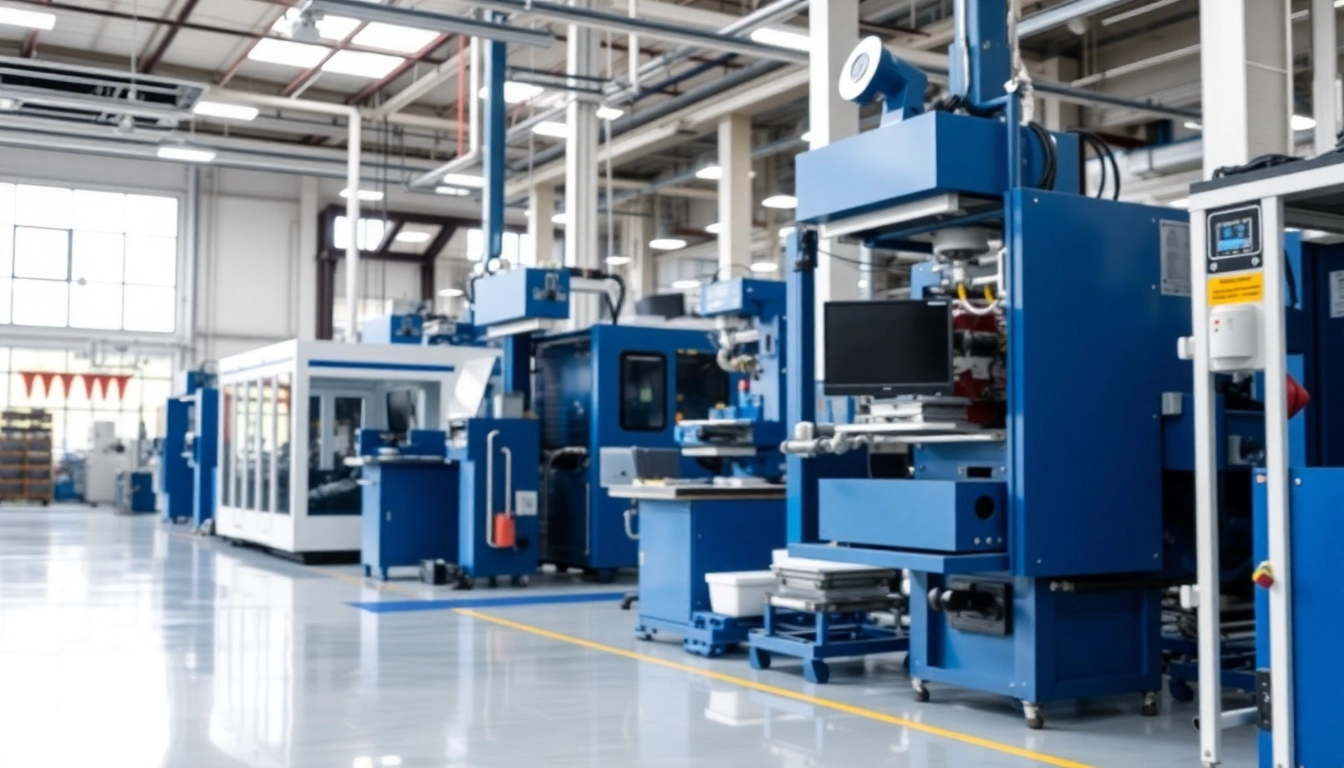
Understanding Contract Manufacturing Services
What are Contract Manufacturing Services?
Contract manufacturing services refer to a business arrangement in which a company (usually the original equipment manufacturer or OEM) partners with a third-party manufacturer to produce products or components. This partnership allows businesses to leverage the expertise, capabilities, and resources of the manufacturer while focusing on their core competencies, such as product design and marketing. Contract Manufacturing Services can encompass a variety of functions, including sourcing, production, quality control, and often distribution.
Benefits of Contract Manufacturing Services
The advantages of opting for contract manufacturing are numerous. Here are some key benefits:
- Cost Efficiency: By outsourcing manufacturing, companies can reduce overhead costs associated with labor, equipment, and materials.
- Expertise and Technology: Contract manufacturers often come with specialized knowledge and advanced technology, allowing businesses to benefit from higher quality products.
- Flexibility: Contract manufacturing enables companies to scale operations up or down based on market demand without the complexities of managing production processes directly.
- Speed to Market: With established manufacturing processes, companies can bring products to market faster, giving them a competitive edge.
- Focus on Core Activities: By outsourcing manufacturing tasks, companies can concentrate on their core skills like product development, marketing, and customer service.
Common Industries Utilizing Contract Manufacturing Services
Various industries benefit from contract manufacturing services due to their diverse operational needs:
- Pharmaceuticals: Contract manufacturing in this sector can include producing medicines and medical devices.
- Food and Beverage: Companies often outsource production to ensure compliance with safety regulations and to capitalize on innovative processing technologies.
- Consumer Electronics: High-tech companies frequently leverage contract manufacturers for the production of components and assembly of products.
- Automotive: Manufacturers may use contract services for parts production to streamline supply chains and enhance efficiency.
- Healthcare: Medical device firms use contract manufacturing for compliance and regulatory manufacturing expertise.
Choosing the Right Partner for Contract Manufacturing Services
Key Criteria for Selecting a Contract Manufacturer
Finding the right contract manufacturing partner is crucial for success. Here are essential factors to consider:
- Experience and Reputation: Research the manufacturer's history and client testimonials to gauge their reliability and quality of work.
- Capabilities: Ensure the partner can meet your specific production needs, such as volume, technology, and compliance requirements.
- Location: Consider logistics; local manufacturers can often provide faster communication and shipping.
- Cost Structure: Analyze the pricing model to understand the cost implications on your profit margins.
- Quality Control Measures: Look for manufacturers with robust quality assurance processes and certifications.
Questions to Ask Potential Contract Manufacturing Services Partners
Engaging in a dialogue with prospective partners is vital. Here are questions that can help clarify matching potential:
- What types of products have you previously manufactured?
- Can you provide client references or case studies?
- What quality assurance certifications do you hold?
- How do you handle supply chain issues or delays?
- What is your production lead time for different order sizes?
Evaluating Manufacturing Capabilities and Technologies
A thorough evaluation of manufacturing capabilities and technology is fundamental. This includes:
- Manufacturing Techniques: Assess the methods they use (e.g., assembly, injection molding, packaging).
- Equipment: Check if they utilize modern machinery that ensures precision and efficiency.
- Scalability: Ensure their processes can handle increased production demands as your business grows.
- Technological Integration: Evaluate how they incorporate technology in operations, including software for supply chain management and quality control.
Exploring Contract Manufacturing Services Models
Types of Contract Manufacturing Services Offered
Contract manufacturing services come in various models tailored to the needs of specific industries:
- Toll Manufacturing: A process where the client provides raw materials, and the manufacturer processes and returns the finished product.
- OEM Production: The manufacturer produces goods under the client's brand, often seen in electronics and automotive industries.
- Private Label Manufacturing: Where products are manufactured for resale under a retailer's brand name.
- Custom Manufacturing: Tailored production processes based on unique specifications provided by clients.
- Prototype Manufacturing: Developing initial prototypes for new products to assess functionality and market potential.
Case Studies of Successful Contract Manufacturing Services Collaborations
Analyzing successful collaborations can offer valuable insights. Consider these illustrative examples:
- Tech Industry Partnerships: A leading tech firm collaborated with a contract manufacturer to produce components for a smartphone, allowing rapid scaling to meet the demand surge during launch.
- Pharmaceutical Production: A recognized pharmaceutical company partnered with a specialized contractor to produce a new drug, ensuring compliance with FDA regulations while expediting the time to market.
- Automobile Component Production: An automotive brand worked with a contract manufacturer to design and produce complex parts. This enabled them to maintain high standards while focusing on core design elements.
Challenges in Contract Manufacturing Services and Solutions
While the benefits are significant, various challenges can arise:
- Quality Control: Inconsistent quality can pose serious risks. To mitigate this, establish stringent quality guidelines and frequent audits.
- Communication Barriers: Miscommunication can lead to production errors. Foster open lines of communication using regular updates and clear documentation.
- Intellectual Property Risks: Protecting intellectual property is essential. Draft comprehensive contracts outlining IP rights and usage.
- Logistical Issues: Unexpected delays can hinder supply chains. Ensure your partner has robust logistics and contingency plans in place.
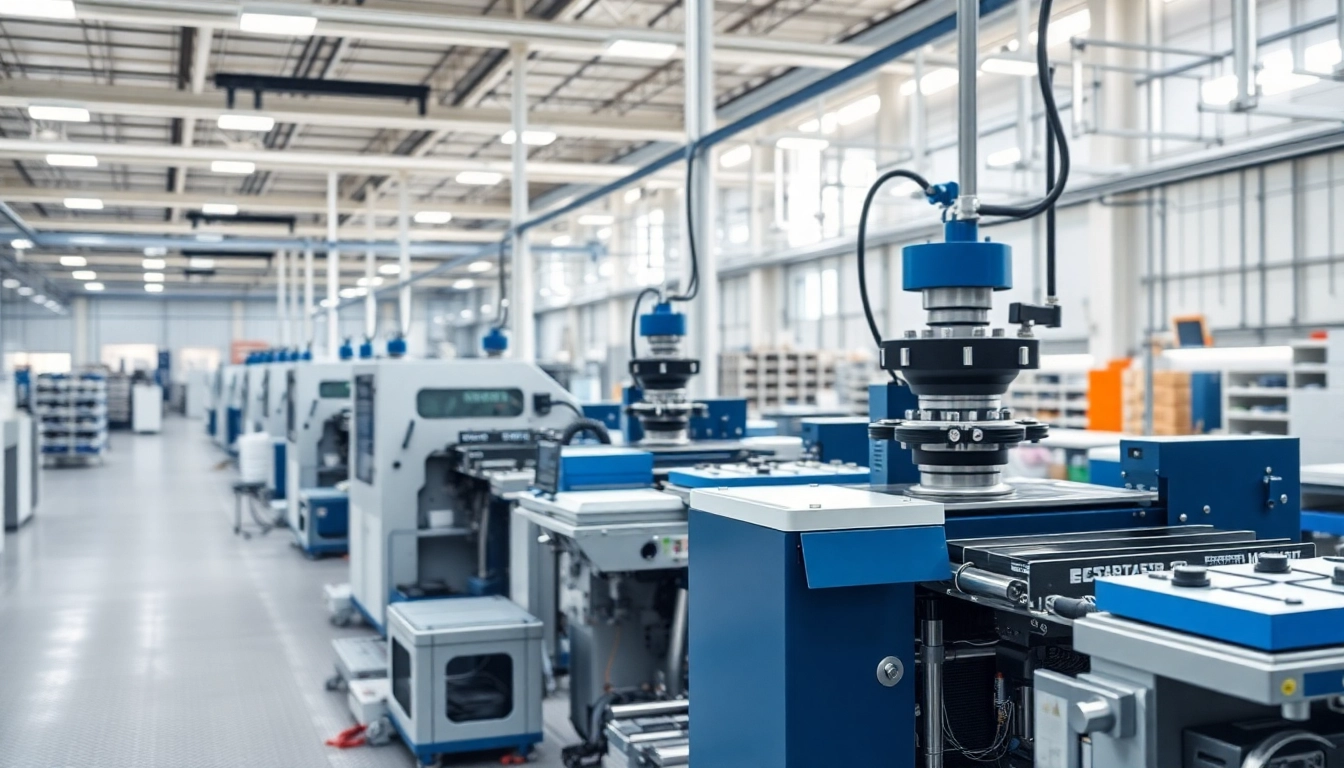
Managing Contracts and Relationships in Manufacturing
Best Practices for Contract Negotiations
Effective contract negotiations are vital for a successful partnership. Here are some best practices:
- Define Clear Expectations: Clearly outline deliverables, timelines, and quality standards in the contract.
- Incorporate Flexibility: Consider adding clauses that allow for adjustments based on changing market conditions.
- Determine Exit Strategies: Establish the conditions under which either party may exit the agreement to prevent future disputes.
- Legal Oversight: Involve legal expertise in drafting and reviewing contracts to ensure compliance with laws and protection of interests.
Maintaining Communication with Contract Manufacturing Services
Consistent communication is foundational to a fruitful partnership:
- Regular Updates: Schedule periodic meetings to review production goals and progress.
- Feedback Mechanisms: Implement processes for feedback to promptly address issues or areas for improvement.
- Utilize Technology: Use collaborative tools to facilitate information sharing and documentation accessibility.
Measuring Performance and Quality Assurance
Performance metrics should be established to ensure compliance with standards:
- Key Performance Indicators (KPIs): Monitor production efficiency, defect rates, and timely delivery.
- Quality Audits: Conduct regular quality audits to evaluate adherence to specifications.
- Customer Feedback: Utilize customer feedback as a metric to measure product success and manufacturer reliability.
The Future of Contract Manufacturing Services
Emerging Trends Impacting Contract Manufacturing Services
Several trends shape the future of contract manufacturing services:
- Increased Automation: As technologies evolve, more manufacturers are investing in automation to enhance efficiency and reduce costs.
- Focus on Sustainability: Manufacturers are increasingly adopting eco-friendly practices and materials in response to consumer demand for sustainable products.
- Globalization: Expanding into larger international markets encourages companies to seek global manufacturing partnerships for cost-effectiveness and reach.
The Role of Technology in Evolving Contract Manufacturing Services Landscape
Technology continues to revolutionize the manufacturing landscape:
- IoT Integration: Internet of Things technology allows for real-time data tracking, enhancing production efficiency and predictive maintenance.
- 3D Printing: This technology facilitates rapid prototyping, enabling faster design iterations and product testing.
- Data Analytics: Leveraging data analytics helps manufacturers optimize production processes and understand customer demands better.
Preparing for Changes in The Contract Manufacturing Services Industry
Preparation is key to navigating industry changes:
- Continuous Learning: Stay informed about industry developments and technological advancements to maintain a competitive edge.
- Adopt Agile Methodologies: Implement agile processes that allow for quick adaptations to market changes.
- Build Strong Partnerships: Foster solid relationships with suppliers and manufacturers to ensure resilience in the supply chain.
Frequently Asked Questions
1. What are the typical costs associated with contract manufacturing?
The costs can vary widely based on product complexity, order volume, and manufacturing processes. It's best to get quotes from various manufacturers for precise estimates.
2. How do I ensure quality when using contract manufacturing?
Establish clear quality standards, conduct regular audits, and maintain open communication with the manufacturer to ensure consistent quality delivery.
3. Can I modify my order with a contract manufacturer?
Yes, but it typically depends on the contract terms. Make sure there are clauses addressing order modifications and flexibility in your agreement.
4. What industries benefit most from contract manufacturing?
Industries such as pharmaceuticals, automotive, electronics, food and beverage, and healthcare often utilize contract manufacturing services due to diverse and complex needs.
5. How do I choose the right contract manufacturer for my needs?
Consider factors such as experience, capabilities, quality control measures, cost efficiency, and align these with your business objectives.