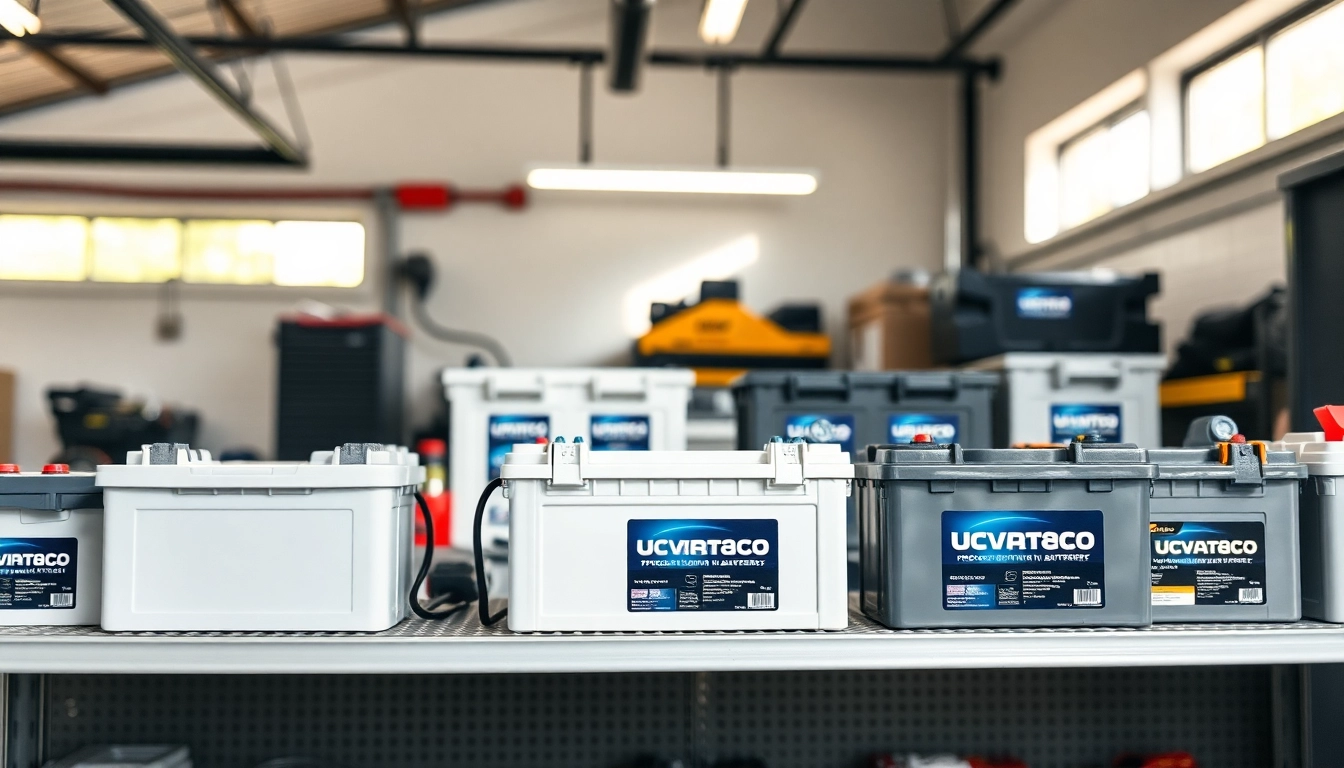
Understanding Lithium RV Batteries
As the popularity of RV travel continues to surge, so does the demand for reliable power sources. One of the most effective solutions for mobile power needs are lithium RV batteries. These batteries offer advantages over traditional lead-acid batteries and are particularly well-suited for the unique demands of RVing. In this article, we'll delve into what makes lithium RV batteries a preferred choice for many travelers.
What Are Lithium RV Batteries?
Lithium RV batteries, primarily lithium iron phosphate (LiFePO4), are advanced energy storage systems designed for deep cycle applications. Unlike conventional lead-acid batteries that rely on chemical reactions involving lead and sulfuric acid, lithium batteries utilize lithium salts, allowing for improved efficiency, safety, and longevity. They have become increasingly prevalent in the RV industry due to their high energy density and lightweight characteristics.
How Do Lithium RV Batteries Work?
Lithium RV batteries operate through electrochemical reactions that involve the transfer of lithium ions between the anode and cathode. When charged, lithium ions move from the cathode to the anode, where they are stored until discharged. During discharge, the reverse occurs, releasing energy to power your RV appliances. This technology allows for faster recharging and a much higher cycle life compared to traditional battery types.
Key Benefits of Lithium RV Batteries
- Longer Lifespan: Most lithium RV batteries can last up to 10 years or more, significantly outpacing lead-acid options, which typically need replacement every 2-4 years.
- Higher Usable Capacity: They can discharge deeper without damage, enabling users to access a larger portion of their stored energy.
- Faster Charging: Lithium batteries charge quickly, often taking only a few hours to reach full capacity, which is a considerable advantage on the road.
- Lightweight: They are much lighter than lead-acid batteries, improving vehicle handling and fuel efficiency.
- Low Self-Discharge Rate: Lithium batteries lose charge less rapidly when not in use, making them ideal for extended periods of inactivity.
- Eco-Friendly: Lithium batteries can often be recycled, contributing to better environmental practices in the RV community.
Types of Lithium RV Batteries
Different Voltages of Lithium RV Batteries
Lithium RV batteries are available in various voltages to accommodate different power requirements and systems. Common voltages include 12V, 24V, and 48V options:
- 12V Batteries: Ideal for typical RV appliances and systems.
- 24V Batteries: Suitable for larger systems with higher power demands, often used in larger RVs or campervans.
- 48V Batteries: Often utilized for more extensive off-grid setups, including those with solar power integration.
Comparing Lithium RV Batteries with Other Battery Types
When comparing Vatrer Power lithium RV batteries to traditional lead-acid options, several factors arise:
- Weight: Lithium batteries are significantly lighter, enhancing overall vehicle performance.
- Depth of Discharge: Lithium batteries permit deeper discharges, allowing users to utilize more energy while maintaining battery health.
- Charging Time: Lithium options recharge faster, which is crucial for time-sensitive travel.
- Longevity: The lifespan of lithium batteries exceeds that of lead-acid batteries, providing better long-term value.
Choosing the Right Capacity in Lithium RV Batteries
Choosing the appropriate capacity for lithium RV batteries depends on your power needs. Assess your average energy consumption, including appliances such as refrigerators, lights, and inverter loads. A good rule of thumb is to estimate your daily consumption in amp-hours (Ah) and select a battery capacity that offers at least 50% more than your daily needs, providing a buffer for peak usage.
Installation and Maintenance of Lithium RV Batteries
How to Install Lithium RV Batteries
Installing lithium RV batteries involves several steps:
- Select the Right Location: Choose a dry, well-ventilated area, typically in a battery compartment.
- Connect the Battery: Use appropriately sized cables to connect terminals, ensuring proper polarity. Always connect the positive terminal last.
- Integrate with Existing Systems: Ensure the RV’s existing systems, including converters and chargers, are compatible with lithium batteries.
Maintenance Tips for Long-Lasting Lithium RV Batteries
To maximize the lifespan and performance of your lithium RV batteries, follow these maintenance tips:
- Avoid Overcharging: Use a compatible charger to prevent damage.
- Regular Inspections: Check connections for corrosion and ensure terminals are clean.
- Temperature Management: Keep batteries in temperature-controlled environments, as extreme temperatures can affect performance.
Understanding Battery Management Systems for Lithium RV Batteries
A Battery Management System (BMS) is essential for managing battery operation and ensuring safety. A good BMS monitors voltage, temperature, and state of charge, enabling optimal performance and protecting against overcharging or deep discharging. Familiarize yourself with your battery’s BMS features to ensure safe usage and longevity.
Cost Analysis of Lithium RV Batteries
Initial Investment vs. Long-Term Savings
While the initial investment for lithium RV batteries is generally higher than lead-acid batteries, their longevity and efficiency can lead to significant long-term savings. With lower replacement rates and improved charging efficiency, the total cost of ownership tends to be lower over time.
Cost-Efficiency Comparisons with Lead-Acid Batteries
When weighing the cost efficiency of lithium RV batteries against lead-acid options, consider factors like lifespan, discharge capacity, and energy efficiency. Lithium batteries often offer better performance in these areas, resulting in fewer replacement costs and lower overall expenditure on maintenance and energy consumption over the years.
Understanding Warranty and Support for Lithium RV Batteries
Before making a purchase, it's important to review warranty options. Most reputable lithium battery manufacturers offer warranties ranging from 5 to 10 years, which is an indicator of their commitment to quality. Additionally, consider manufacturers that provide robust support services, ensuring you can get help if issues arise.
FAQs About Lithium RV Batteries
Are Lithium RV Batteries Worth the Investment?
Absolutely. For enthusiasts and frequent travelers, the extended lifespan and high usability make lithium RV batteries a valuable investment over time.
What is the Lifespan of Lithium RV Batteries?
Lithium RV batteries typically last between 8 to 12 years, depending on usage conditions and maintenance.
What Makes Lithium RV Batteries Better for Boondocking?
Their ability to discharge more deeply, higher charging efficiency, and minimal weight makes 12V 300Ah Lithium Battery perfect for off-grid camping without sacrificing power.
How Do Weather Conditions Affect Lithium RV Batteries?
Lithium batteries perform consistently well in a wider range of temperatures compared to lead-acid batteries, but extremely cold conditions can impact their capacity temporarily.
Can Lithium RV Batteries Be Recycled?
Yes, lithium RV batteries can be recycled through specific programs, contributing to environmental sustainability and reducing waste.