Understanding Facial Age Estimation Technology
With the rise of artificial intelligence and machine learning, estimating a person's perceived age has become more accessible than ever. This technology is not merely about curiosity; it plays a significant role in industries ranging from beauty to medical research. By understanding how various applications assess facial features, users can better interpret their results and make informed decisions. For those intrigued by the question, how old do i look is just one of many platforms offering insights based on advanced facial recognition technology.
What is the "How Old Do I Look" App?
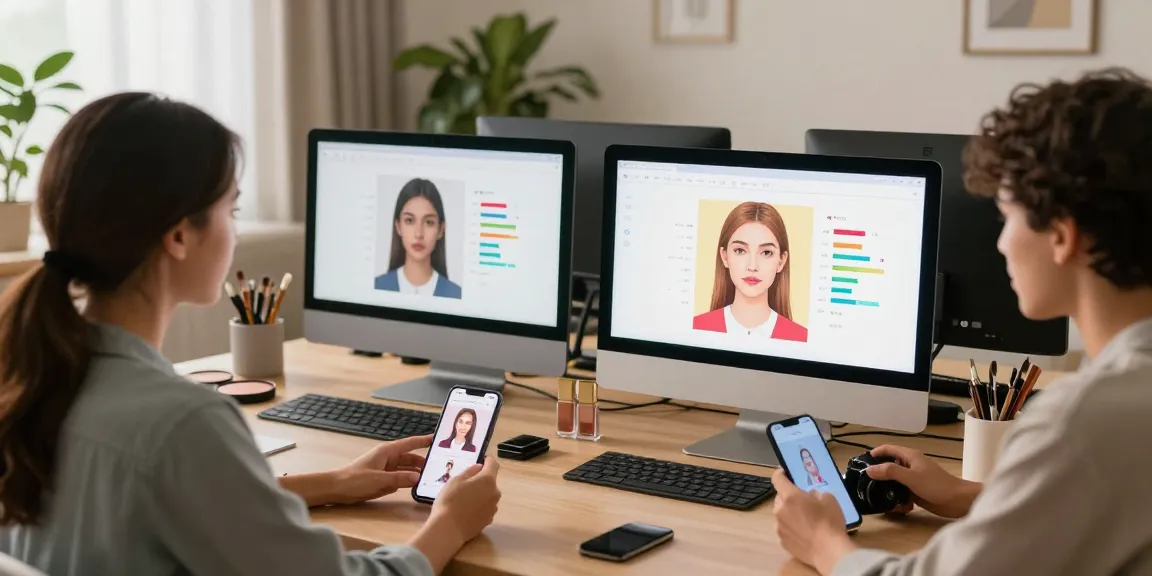
The "How Old Do I Look" app is an innovative software tool designed to estimate a user's biological age based on their facial features. By leveraging complex algorithms and AI models, the app analyzes various characteristics, such as skin texture, wrinkles, and facial structure, to provide an age estimation. Its convenience lies in the fact that users can simply upload a photo, making it accessible to a broad audience without the need for specialized knowledge or tools.
How Does AI Analyze Facial Features?
AI algorithms used in facial age estimation primarily engage in image processing techniques to analyze photos. They break down images into key facial landmarks, such as the distance between the eyes, the depth of smile lines, and the presence of age-related features like sagging skin or pigmentation changes. After gathering data, these models compare it to vast datasets consisting of many age groups to predict a user's age accurately.
The Science Behind Age Estimation Accuracy
Understanding the science behind these predictions requires acknowledging the factors impacting accuracy. Machine learning models are trained on extensive databases that include images of people from different demographics. Variability in lighting, photo quality, and facial expressions can influence results. Additionally, the model's training data may not fully represent every ethnicity or age group, which can result in biases and inaccuracies in the predictions.
Common Mistakes Users Make with Age Estimators
Over-reliance on the App's Accuracy
One of the biggest pitfalls users face is placing too much trust in the app's predictions. While these age estimators are sophisticated, they are not infallible. Users should approach results with a healthy skepticism and consider them as fun estimates rather than definitive truths. Understanding the app's limitations can prevent disappointment and misinterpretations.
Ignoring Environmental Factors in Photos
Many users overlook how environmental factors, such as lighting and background, affect the age analysis. For example, harsh lighting can cast shadows on the face, leading to misleading results. Ideally, users should opt for well-lit photos taken against plain backgrounds, ensuring that the features analyzed are as clear as possible.
Using Inappropriate Photos for Analysis
Uploading inappropriate photos, such as those where the user is wearing heavy makeup, sunglasses, or other face coverings, can skew results significantly. To achieve the best outcomes, it’s crucial to use recent, unfiltered images that showcase the face clearly and naturally.
Best Practices for Using Age Estimation Apps
Choosing the Right Photo for Accurate Results
The choice of photo can dramatically impact the results from an age estimation app. Users should select photos that are clear and taken under good lighting conditions. A smiling expression may also yield better results, as it highlights facial features better than a neutral or frowning face.
Understanding App Limitations and Privacy Issues
Users should be mindful of the limitations inherent to the technology. Age estimation apps do not currently provide health assessments or medical advice and should not be used as substitutes for professional guidance. Additionally, privacy concerns are paramount; users must ensure that any app used complies with data protection regulations and respects user privacy by not sharing images without consent.
Combining AI Estimates with Self-Assessment
While AI provides a unique perspective on perceived age, it's beneficial to combine these estimates with self-assessment. Users should consider their lifestyle choices, such as diet, exercise, and skincare routines, which all play pivotal roles in physical appearance. A holistic approach to understanding one’s perceived age can lead to more balanced insights.
Case Studies: User Experiences with Age Estimation
Real-world Examples of Misinterpretations
Many users have reported misinterpretations of their age due to environmental or photographic anomalies. For instance, one user received an age estimate of ten years older than their actual age due to poor lighting and the use of filters that exaggerated skin imperfections. Such experiences highlight the importance of context when interpreting app results.
How Users Have Benefited from Accurate Age Estimation
Conversely, there are users who have found the app beneficial in promoting self-care routines. Accurate estimations highlighting signs of aging can motivate users to adopt healthier habits or invest in skincare products. Furthermore, some users have used the insights for creative purposes, such as acting or modeling, to fit specific roles or projects.
Lessons Learned from Popular User Feedback
User feedback often emphasizes the importance of realistic expectations. Many appreciate the entertainment value of these apps but caution against using them for serious self-assessment. This balance between fun and factuality can lead to a more gratifying experience when using age estimators.
Future Trends in Facial Recognition Technology
Advancements Expected in AI and Age Estimation
The future of age estimation technology appears promising. As machine learning continues to evolve, we can expect more sophisticated algorithms that can analyze a wider range of features, such as emotion and lifestyle indicators. These advancements could provide deeper insights into personal health and well-being, beyond just aesthetic age.
Ethical Considerations for Future Technologies
As technology advances, ethical considerations will become increasingly significant. Issues surrounding privacy, consent, and the potential for misuse of facial recognition technology need to be addressed. The challenge lies in balancing innovation with the rights of individuals, ensuring that advancements benefit society without compromising personal integrity.
What to Expect in 2026 and Beyond?
Looking ahead to 2026, we can predict a surge in personalized health-related applications stemming from advancements in AI and machine learning. These may extend beyond mere age estimation to include comprehensive health assessments using facial analysis as an entry point, ultimately leading to more tailored healthcare solutions.
What factors influence how old do i look results?
Several factors can influence the results from age estimation apps, including genetics, lifestyle choices, environmental factors, and the quality of the image uploaded. Understanding these variables can help users interpret their results more accurately.
Are there alternative apps to estimate age?
Yes, there are various alternative apps available, each utilizing different algorithms and methodologies for facial age estimation. Options include FaceAge.ai, Fotor, and various mobile applications specifically designed for age recognition. Users may experiment with multiple platforms to find one that aligns best with their expectations.
How can I improve my experience with these age apps?
To improve experiences with age estimation apps, users should focus on uploading high-quality images and following best practices for photo selection outlined above. Engaging with community feedback and exploring diverse platforms can also enhance understanding and enjoyment of the technology.
Is my privacy at risk when using age estimation apps?
Privacy risk is a genuine concern when utilizing image-based apps. Users should thoroughly read privacy policies and ensure that any app they use does not store or misuse their images. Opting for apps with strong privacy protections can help mitigate these risks.
Can I use age estimation for professional purposes?
Utilizing age estimation for professional purposes, such as modeling or performance, can be beneficial. However, it's essential to remember that these estimates should be used as guides rather than definitive indicators. Employers or casting directors should consider multiple factors alongside these estimates for more accurate assessments.