Understanding the Basics of Amateur Radio Licensing
What is Amateur Radio?
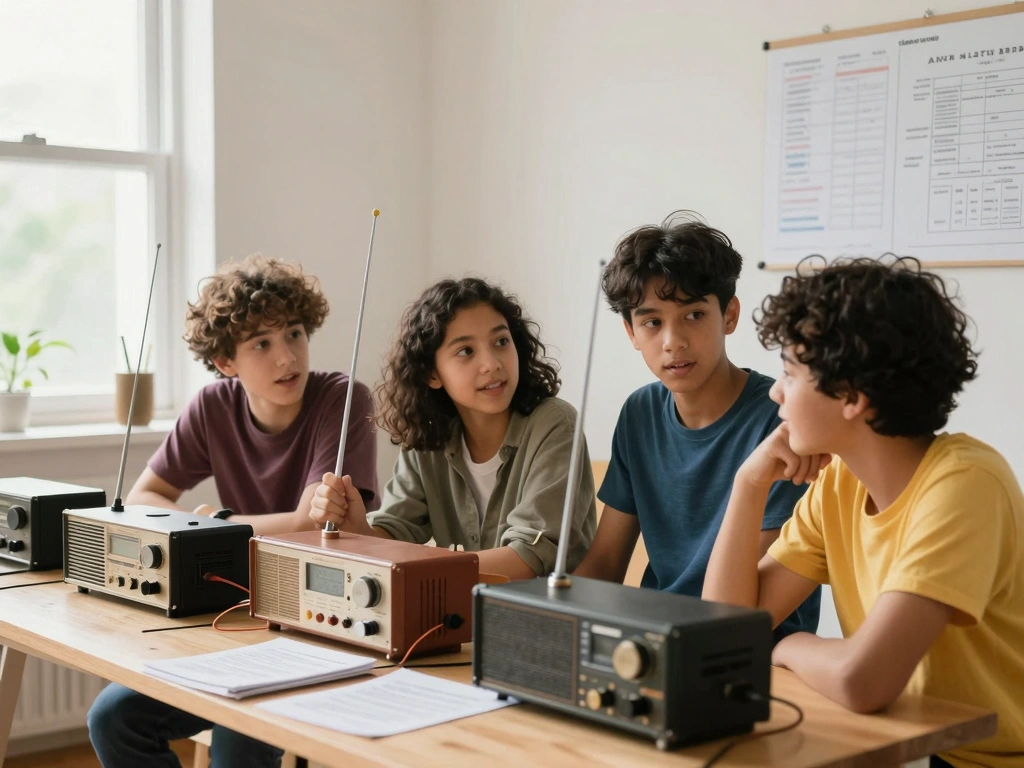
Amateur radio, often referred to as "ham radio," is a popular hobby that allows individuals to communicate with others across the globe without the need for the internet or cellular networks. It involves using designated radio frequency bands to transmit voice, text, and even images. Hams are known for their enthusiasm in building and modifying equipment, experimenting with technology, and participating in various communication events such as contests and emergency services.
The Importance of Licensing
Licensing is a crucial aspect of amateur radio. It serves multiple purposes: it ensures that operators have a basic understanding of radio theory, rules, and regulations, and it helps manage the radio spectrum to minimize interference among users. Furthermore, obtaining a license is a demonstration of commitment to safety and responsible operation. The Federal Communications Commission (FCC) in the United States, for example, requires all amateur radio operators to be licensed to operate on amateur frequencies legally.
Types of Amateur Radio Licenses
In the United States, there are three main classes of amateur radio licenses, each with its own privileges and requirements:
- Technician License: This is the entry-level license and requires passing a 35-question multiple-choice exam. Technicians have access to VHF and UHF bands and limited privileges on some HF bands.
- General License: This intermediate license allows for greater privileges, including more HF band access. To obtain a General License, candidates must pass an additional 35-question exam after obtaining their Technician License.
- Extra License: This is the highest level of amateur radio licensing. An Extra License grants full privileges across all amateur bands. Candidates must pass a rigorous exam consisting of 50 questions.
Navigating the Licensing Process
Eligibility Requirements for New Hams
To apply for an amateur radio license, candidates must meet the following eligibility requirements:
- Be at least 18 years old (there is no minimum age for the Technician License, but parental consent may be required for younger applicants).
- Pass the required examination for the desired license class.
- Provide a valid Social Security number or FCC Registration Number (FRN).
Steps to Apply for a License
The process to obtain an amateur radio license generally involves the following steps:
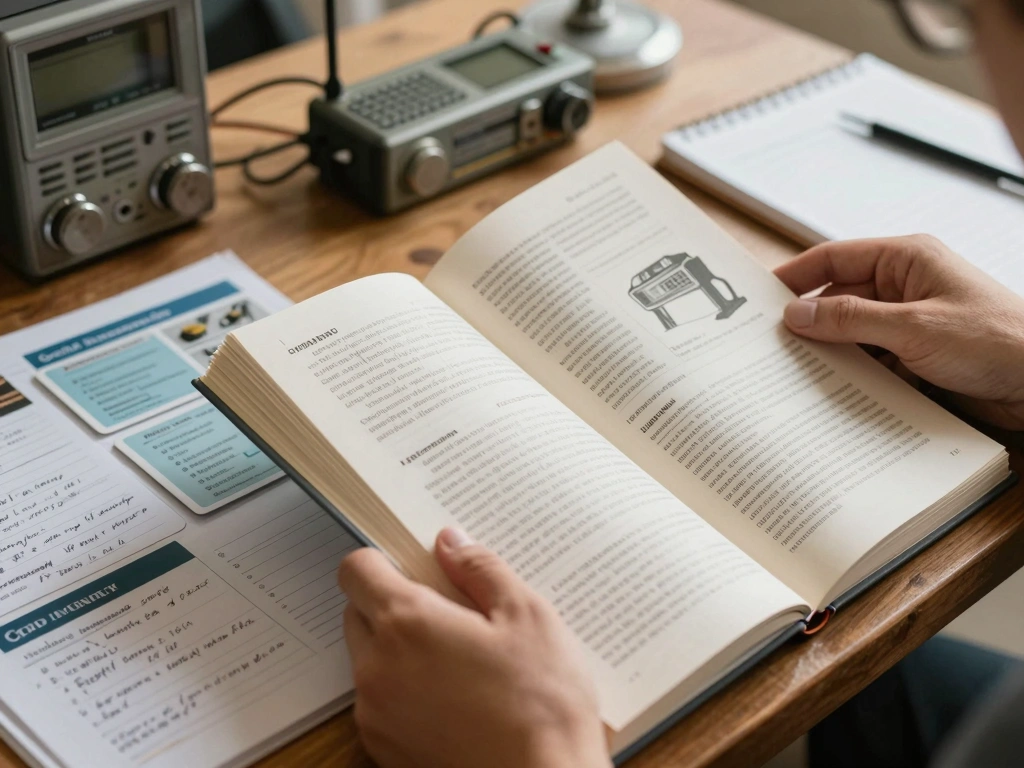
- Study for the Exam: Use study guides, online resources, and practice exams to prepare for the licensing test.
- Find a Testing Session: Search for local Volunteer Examiner (VE) teams that conduct testing sessions. Websites like the ARRL (American Radio Relay League) provide listings of upcoming exams.
- Take the Exam: Attend the testing session and pass the exam to qualify for the desired license class.
- Receive Your License: After passing the exam, your application will be submitted to the FCC, and you will receive your call sign and license documentation.
Common Mistakes to Avoid
Many new hams make mistakes during the licensing process that can be easily avoided. Here are some common pitfalls:
- Insufficient Study: Relying solely on memorization rather than understanding the concepts can lead to failure on the exam.
- Neglecting Regulations: Not familiarizing yourself with basic FCC rules can result in unintentional violations.
- Choosing the Wrong Exam Level: Attempting to take a higher-level exam without adequate preparation can lead to frustration and discouragement.
Preparing for the Licensing Exam
Study Resources and Materials
Preparation is key to successfully passing your amateur radio licensing exam. Here are some effective study resources:
- ARRL Study Guides: The American Radio Relay League publishes comprehensive study guides tailored to each license class.
- Online Courses: Websites like Ham Radio Prep and QRZ.com offer structured courses and online resources for aspiring hams.
- Books: Books such as "Ham Radio for Dummies" provide a solid foundation for understanding the basics of amateur radio.
Practice Exams and Mock Tests
Taking practice exams is an effective way to gauge your knowledge and preparation level. Here are some options:
- QRZ.com Practice Exams: This site offers a variety of practice tests that simulate the actual exam format.
- HamStudy.org: An excellent resource for taking practice exams and tracking your study progress.
- Local VE Teams: Some VE teams may offer mock exams as part of their training sessions, providing a real-world testing environment.
Joining Local Study Groups
Connecting with other amateur radio enthusiasts can significantly enhance your learning experience. Consider joining a local study group by:
- Checking local amateur radio clubs for study sessions.
- Participating in online forums and social media groups focused on amateur radio.
- Attending local hamfests or conventions where you can meet experienced operators and fellow test-takers.
What to Expect After Getting Licensed
Understanding Your License Privileges
Once you receive your amateur radio license, it’s essential to understand the privileges and limitations associated with your specific class. For instance:
- Technicians have access to the 2-meter and 70-centimeter bands, among others, making it ideal for local communications.
- General License holders can operate on all HF bands, allowing for international communication.
- Extra License operators enjoy the most freedom, with access to all amateur bands and modes.
Setting Up Your First Station
As a newly licensed ham, setting up your first station is an exciting step. Here are some components you may need:
- Transceiver: A versatile radio like the Icom IC-7300 or Yaesu FT-991A is ideal for beginners.
- Antenna: Consider a simple dipole antenna or a vertical antenna, which are both effective and easy to set up.
- Power Supply: Ensure you have a reliable power supply, such as the Astron RS-20A, to operate your equipment safely.
Joining the Amateur Radio Community
Becoming part of the amateur radio community is one of the most rewarding aspects of the hobby. You can:
- Join local amateur radio clubs for support and camaraderie.
- Participate in nets, which are regular on-air meetings of operators.
- Engage in volunteer activities, such as emergency communications during disasters, which can provide invaluable experience and help your community.
Continuing Education and Advancement
Upgrading Your License Class
Once you’re comfortable with your Technician License, you may want to consider upgrading to a General or Extra License. This will allow you to access more frequencies and enhance your operating skills. The steps to upgrade typically include:
- Studying the material specific to the next license class.
- Taking the corresponding exam through a local VE team.
Exploring Additional Certifications
In addition to licensing upgrades, there are various certifications available that can enhance your skills and knowledge:
- Emergency Communications (EC): This certification prepares you for participating in emergency communication efforts.
- Technical Certifications: Explore options in digital modes or satellite communications that can add to your skill set.
Staying Updated with Regulations and Technology
The world of amateur radio is ever-evolving, and staying informed is essential. Here’s how to keep up:
- Regularly read amateur radio publications such as QST or CQ Magazine.
- Participate in webinars and online courses to learn about new technologies and techniques.
- Engage with the community through forums and social media to discuss changes in regulations or technology advancements.